
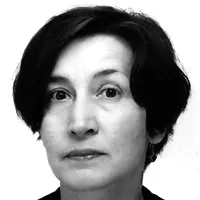
Claudia Pilsl (born 1965 in Wels, Austria) is an artist and scholar specializing in photography and film. She studied at the University of Applied Arts Vienna and the Berlin University of the Arts. From 2011 to 2013, she completed the master’s program in Photography and Urban Cultures at Goldsmiths College, University of London.
After 27 years in southern England, Claudia Pilsl has been living and working in Vienna again since January 2025. Her artistic practice explores the impact of photographic and cinematic media. Her work is characterized by a process-oriented, often collaborative approach that combines interviews, archival material, film, and photography. Since 2023, she has been increasingly exploring alternative photographic processes.
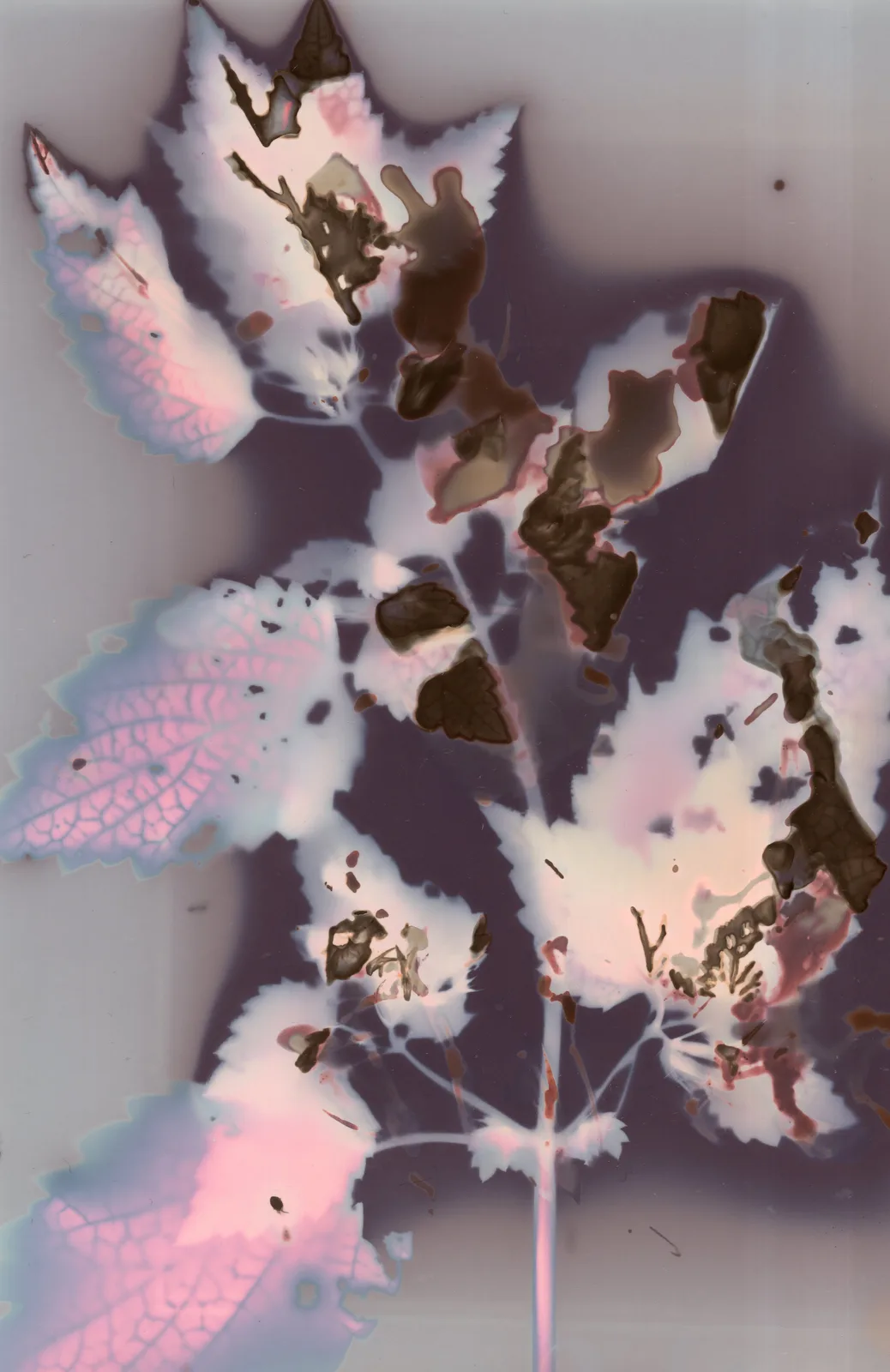
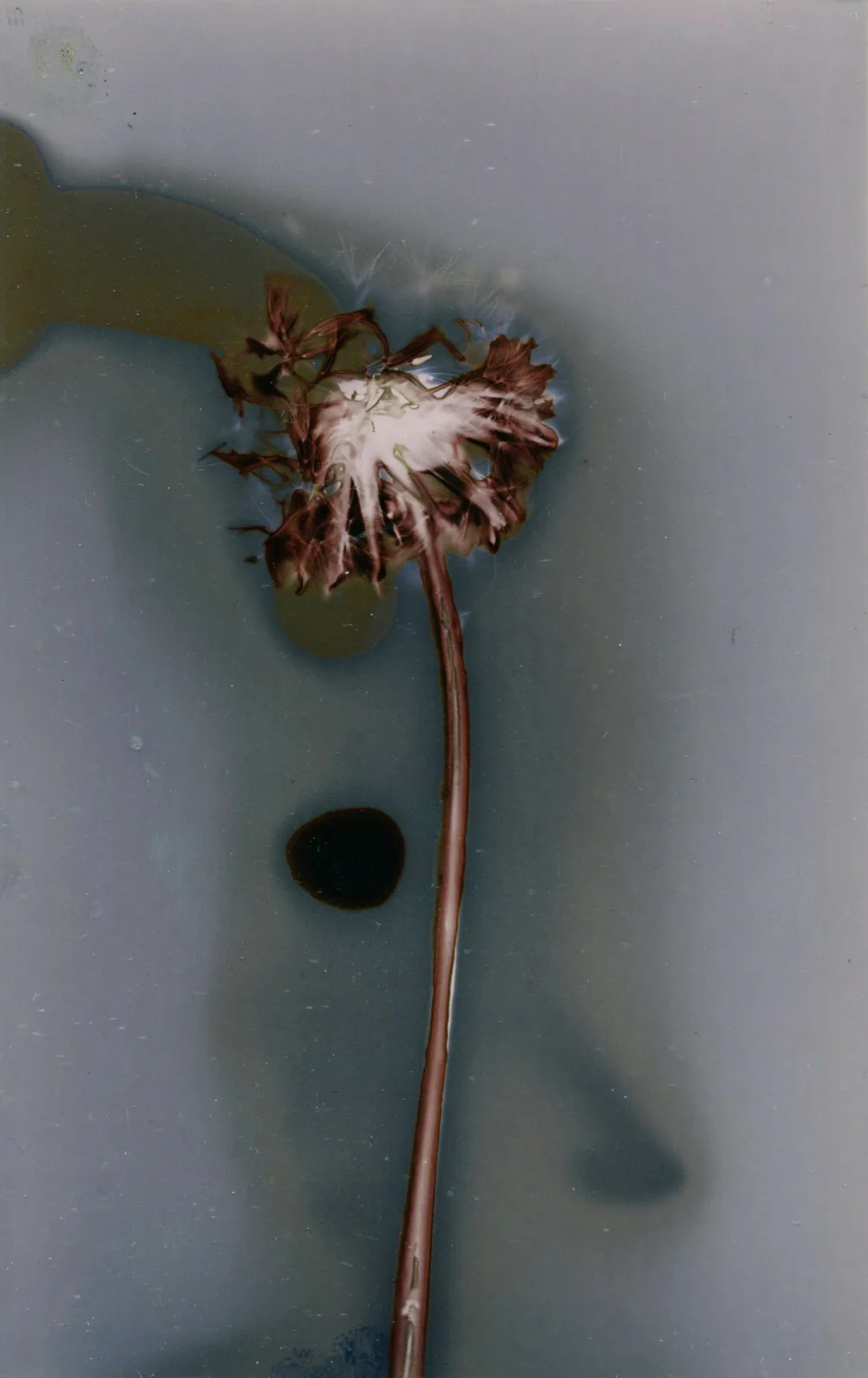
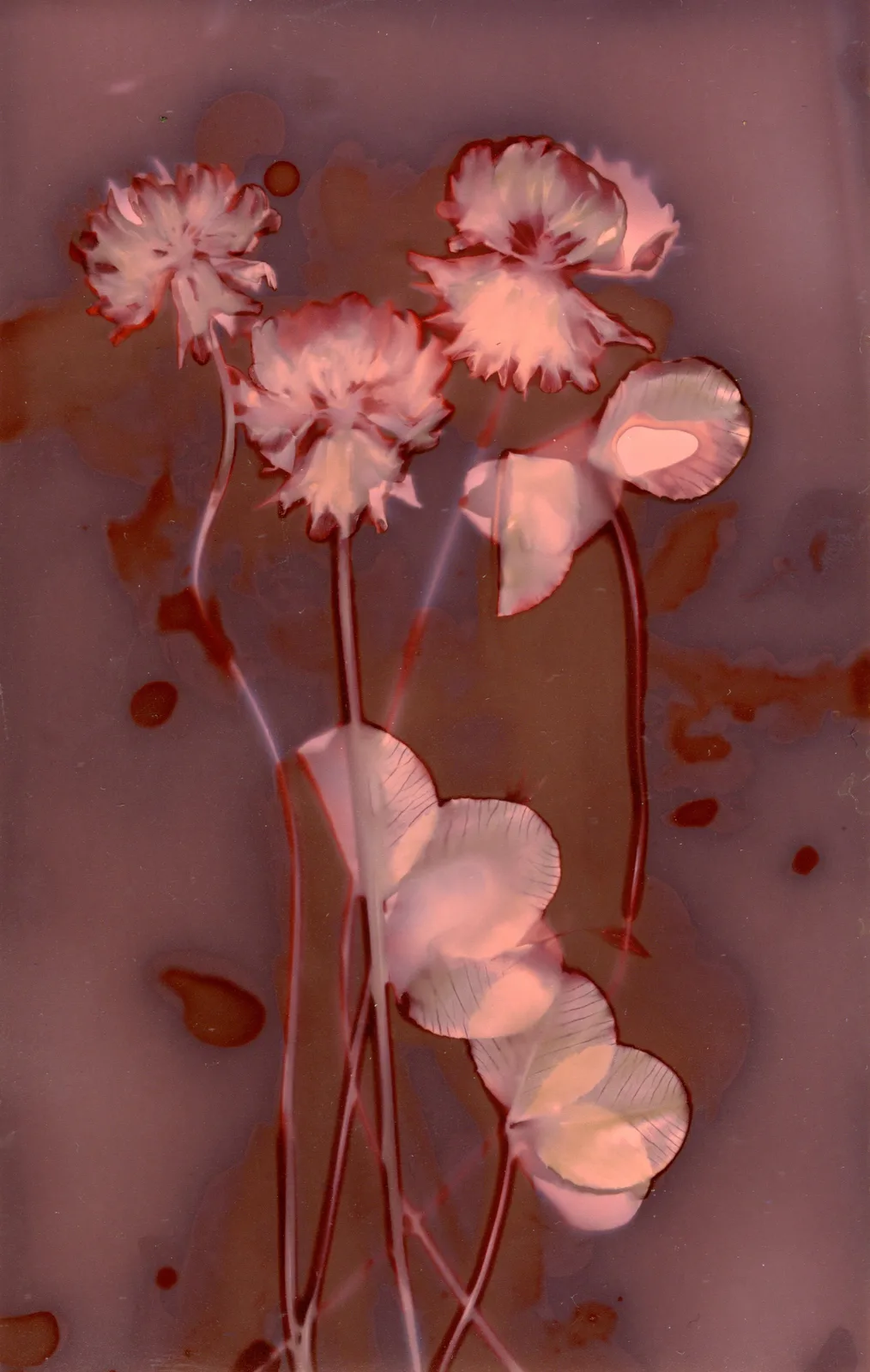
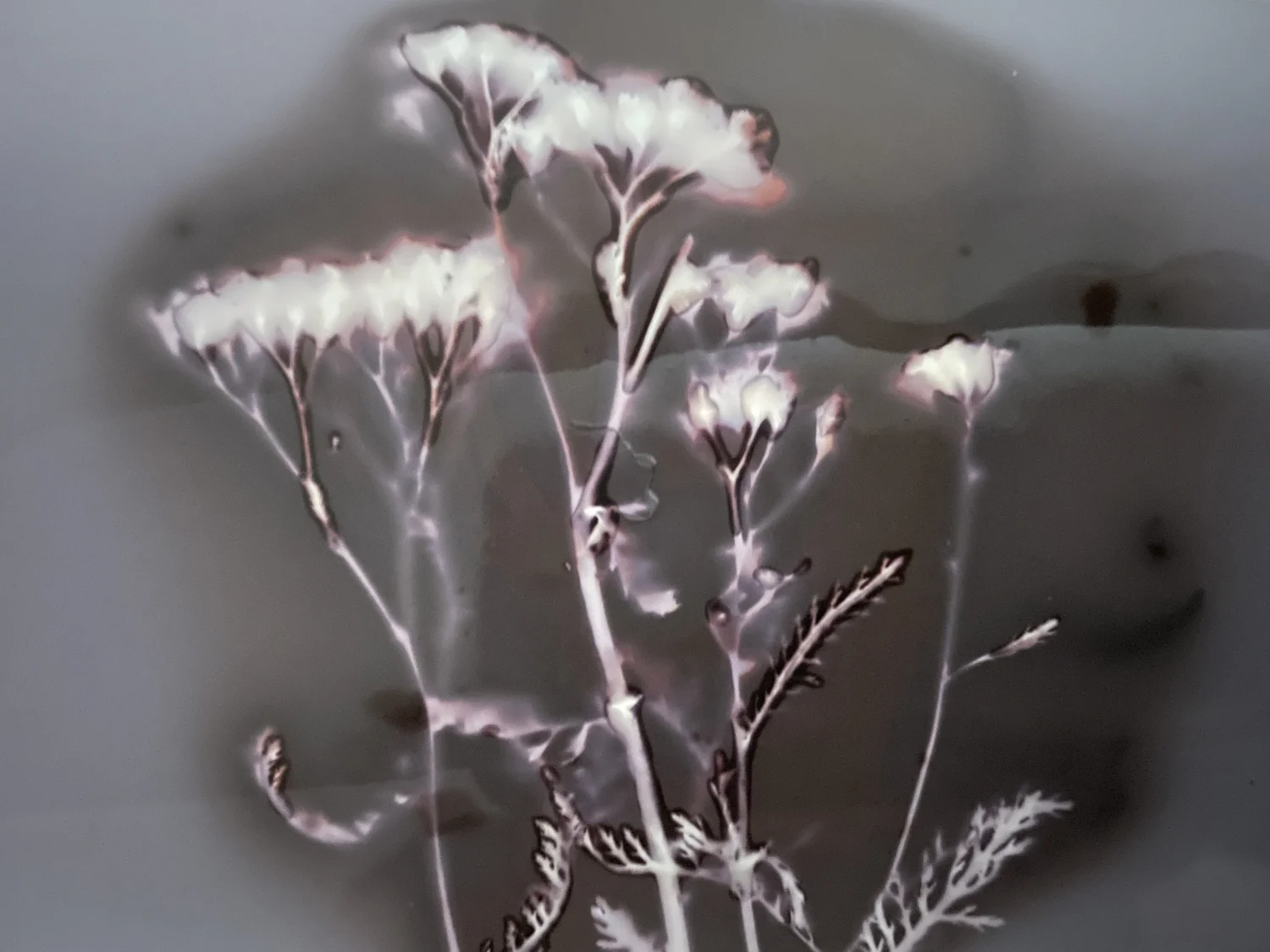
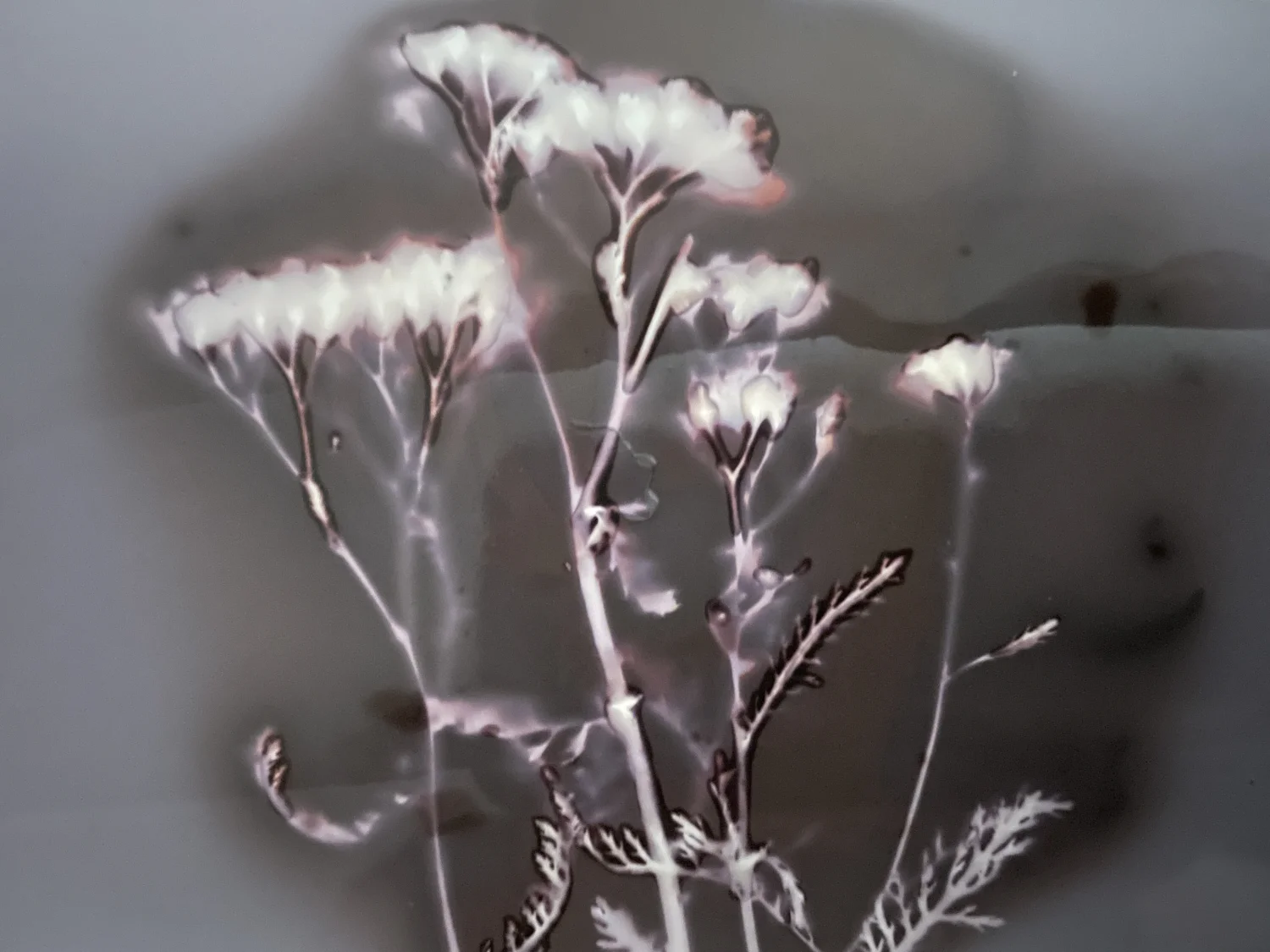
Building on the phytogram technique developed by Karel Doing in England, she employs this alternative photographic method, in which plants are actively incorporated into the image-making process. Her works explore the intersections of nature, science, and art, as well as issues of biodiversity and the place of analog processes in an increasingly digital present.
Pilsl’s works have been presented in solo exhibitions at venues including the Traklhaus in Salzburg, the Landesgalerie in Linz, the Fotogalerie in Vienna, and the Kunstmuseum in Bonn. In addition, they have been featured in numerous group exhibitions and screenings, including at Arnolfini and Spike Island in Bristol, as part of international festivals in the United Kingdom and Italy, and in curated art and film contexts in Austria and England.
Work Title: Auf den Spuren des Unkrauts
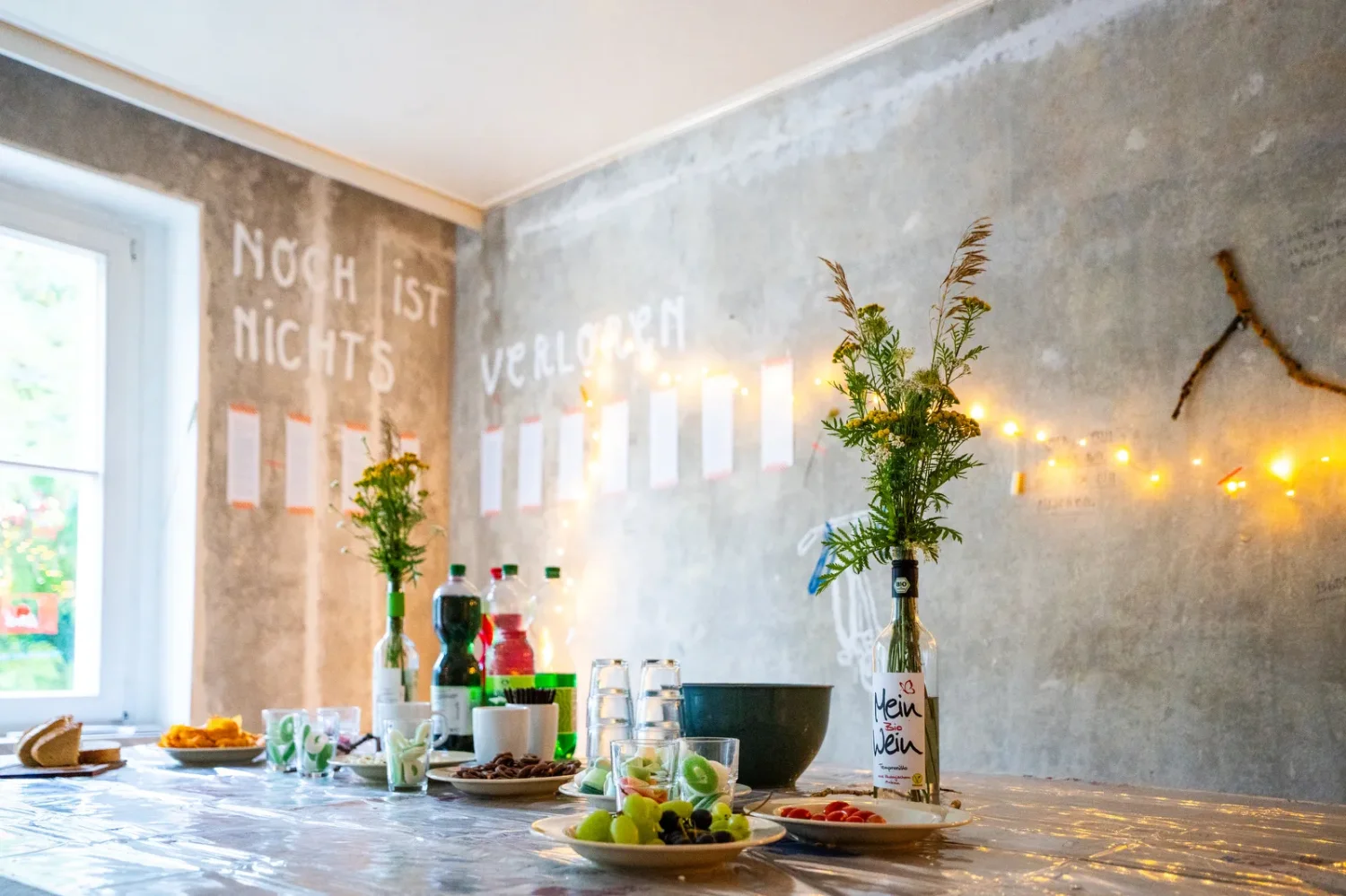
The installation consists of 108 photographs, plants from the immediate vicinity of Heinrich-Zille-Straße 1, and various objects that were either found or borrowed. Technique used for the photographic prints: phytogram°.
Claudia Pilsl is interested in resilient plants that are often overlooked or barely tolerated. As actors within the urban environment, their very presence raises questions about migration and tolerance. Moreover, they demonstrate that it is entirely possible to flourish even in harsher terrain.
For this project, Claudia Pilsl explored the plants of the wasteland around Heinrich-Zille-Straße 1 through workshops and walks with residents of Lauchhammer. The installation reflects these diverse perceptions and offers a multi-layered view of an environment undergoing transformation.
° The phytogram is a camera-less analog photographic process in which plants leave traces directly on light-sensitive material.
further reading
Adult Workshop
/ Biennale
Auf den Spuren des Unkrauts
02.08.2026,
Heinrich-Zille-Str. 1 Lauchhammer / Wokrejs Górne Błota-Łužyca
about the event
Adult Workshop
/ Biennale
Auf den Spuren des Unkrauts
04.08.2026,
Heinrich-Zille-Str. 1 Lauchhammer / Wokrejs Górne Błota-Łužyca
about the event
Exhibition
/ Biennale
Räume zwischen Vergangenheit und Gegenwart - Lauchhammer
08.08.—23.08.2026,
Heinrich-Zille-Str. 1 Lauchhammer / Wokrejs Górne Błota-Łužyca
Louisa Frauenheim Johannes Weilandt Claudia Pilsl Christian Hasucha Matrosenhunde Anke Hannemann Marie Kublik & Frida Teller Anja Nürnberg Bernhard Schipper
about the event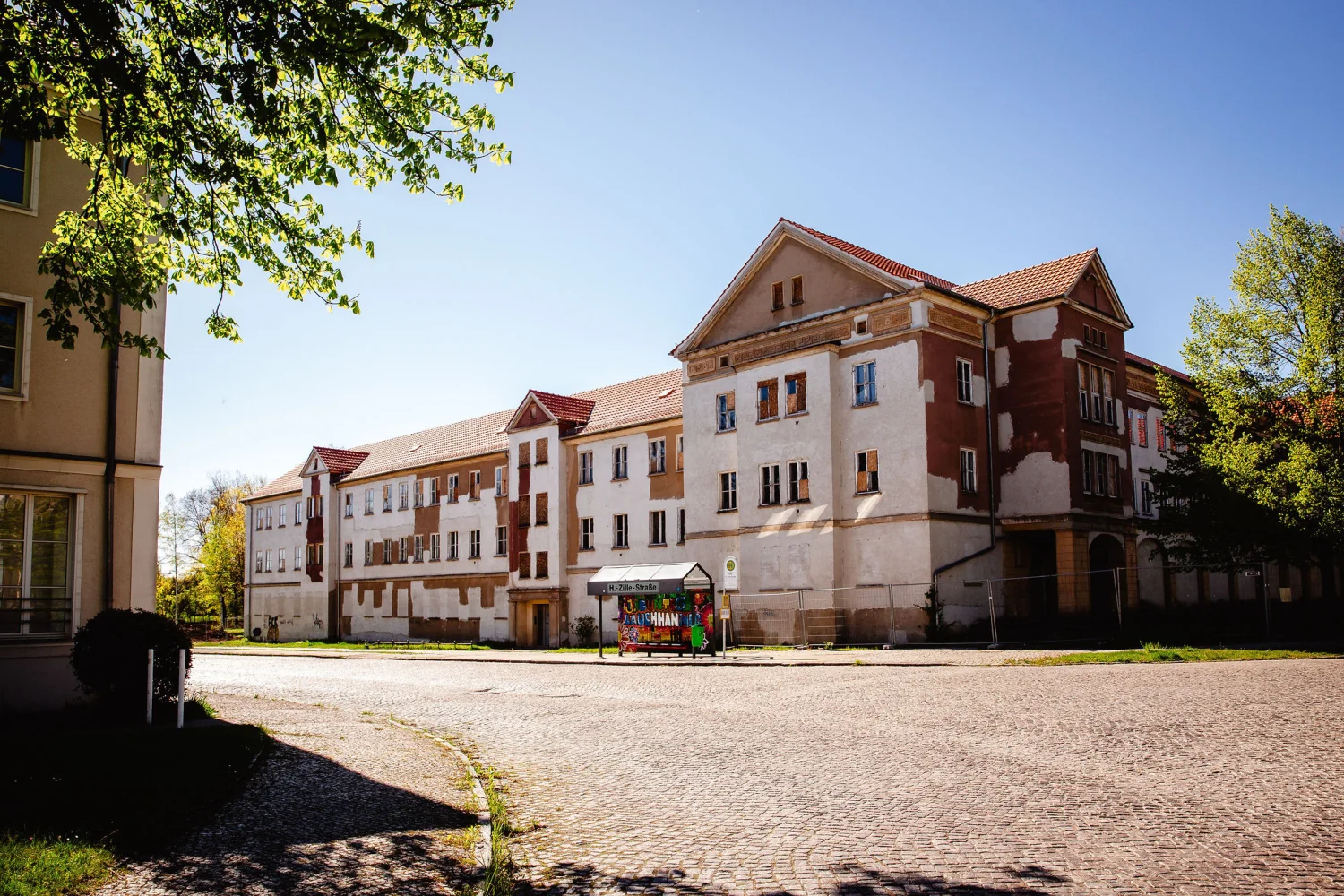
Vernissage
/ Biennale
Vernissage in der Heinrich-Zille-Str. 1
08.08.2026,
Heinrich-Zille-Str. 1 Lauchhammer / Wokrejs Górne Błota-Łužyca
Louisa Frauenheim Johannes Weilandt Claudia Pilsl Christian Hasucha Matrosenhunde Anke Hannemann Marie Kublik & Frida Teller Anja Nürnberg Bernhard Schipper
about the event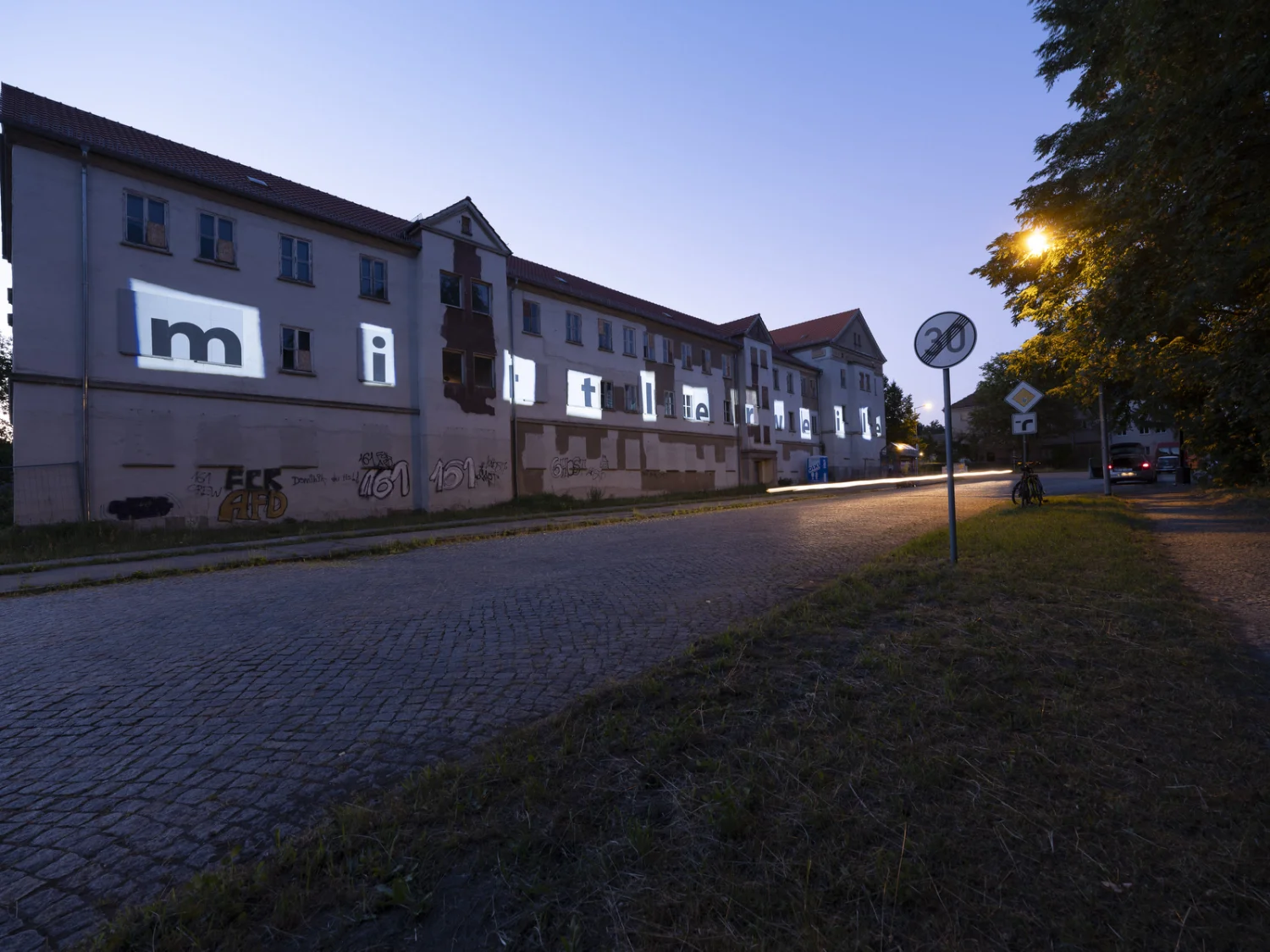
Finissage
/ Biennale
Finissage in Lauchhammer
23.08.2026,
Heinrich-Zille-Str. 1 Lauchhammer / Wokrejs Górne Błota-Łužyca
Birgit Fechner Dirk Sorge Reinhard Sandner Anja Nürnberg Bernhard Schipper Brigitte Böckmann-Jennen Christian Hasucha Claudia Pilsl Grotest Maru Johannes Weilandt Louisa Frauenheim Marie Kublik & Frida Teller Matrosenhunde
about the event