
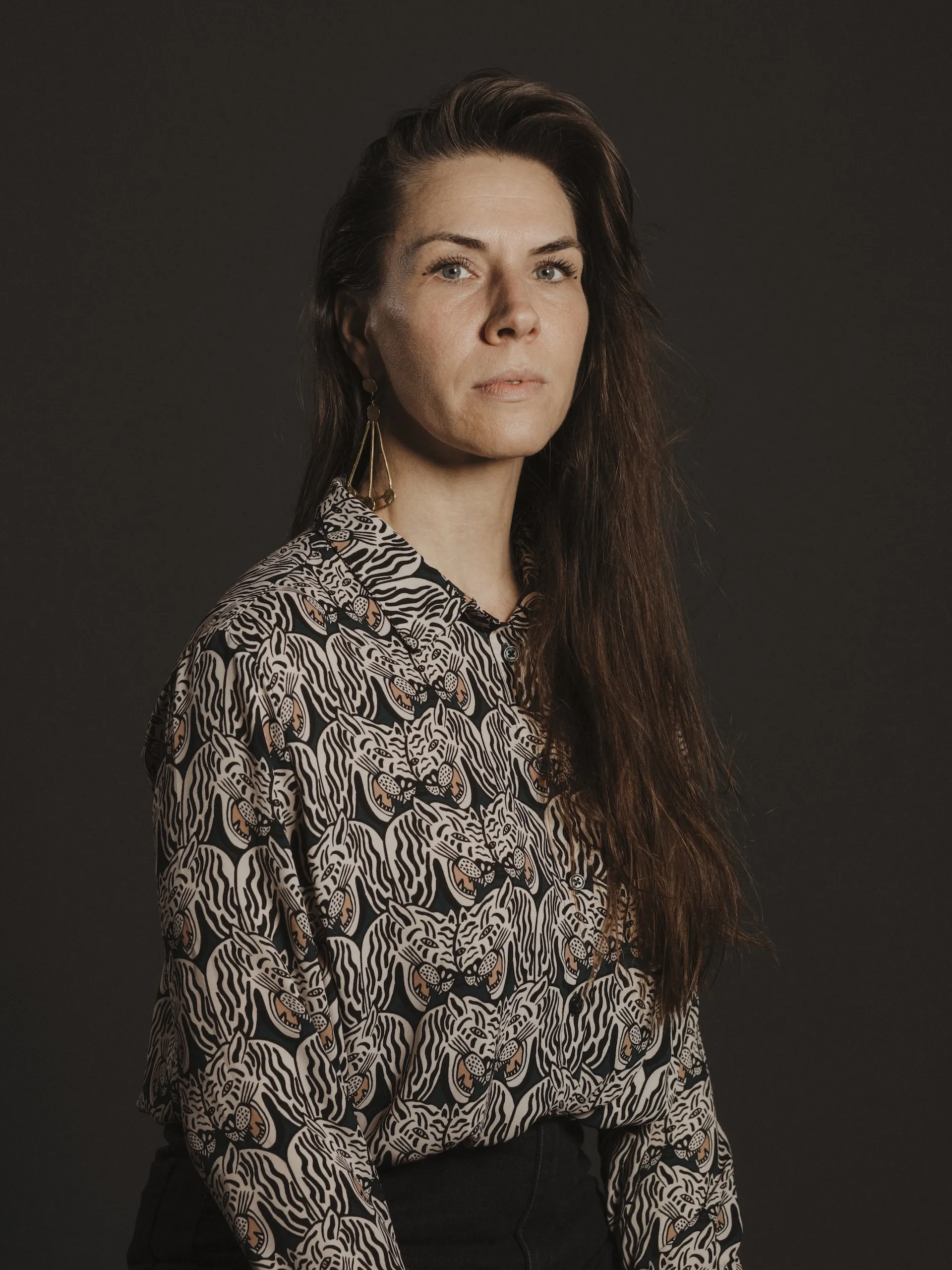
Anke Hannemann (born in 1980 in Cottbus, GDR) is a mixed-media artist and lecturer. She studied English literature and art history at the Technical University of Dresden, fine arts at the Bauhaus University Weimar, and sound and performance art at the School of the Art Institute of Chicago in the U.S.
Hannemann completed an apprenticeship in the restoration of murals and in gilding techniques. Her artistic interest lies in the connection between memory, architecture, and identity. She currently works in the Strategic Cultural Policy Division of the City of Leipzig’s Department of Culture, where she coordinates developments related to the city’s projects for a “Forum for Freedom and Civil Rights/Democracy Campus” as well as for the Leipzig Monument to Freedom and Unity.
From 2011 to 2019, she taught in the international MFA program “Public Art and New Artistic Strategies” at the Bauhaus University Weimar and served as a visiting lecturer at Oxford Brookes University (UK) and at Khulna University (Bangladesh).
Work Title: VERITAS
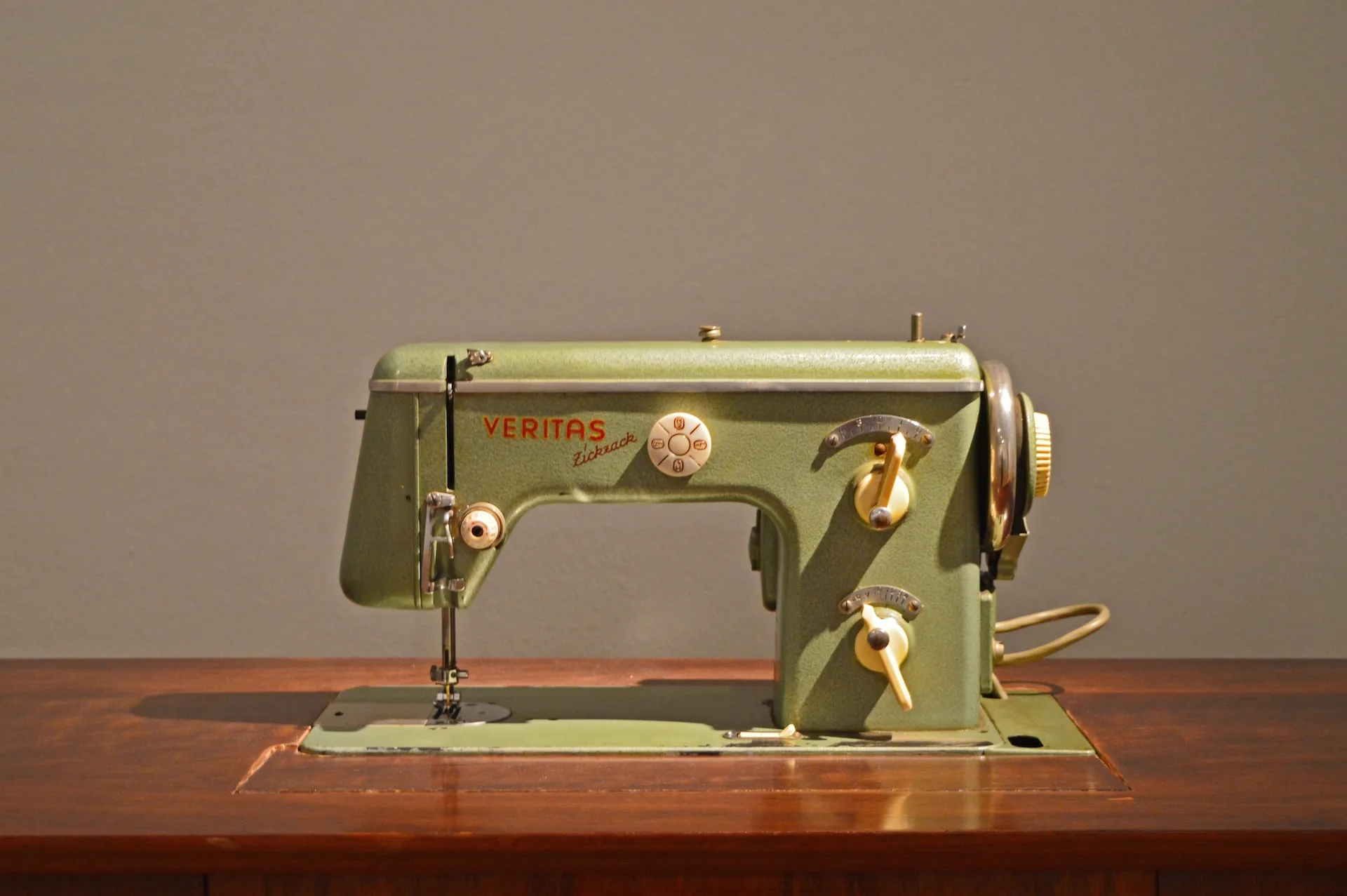
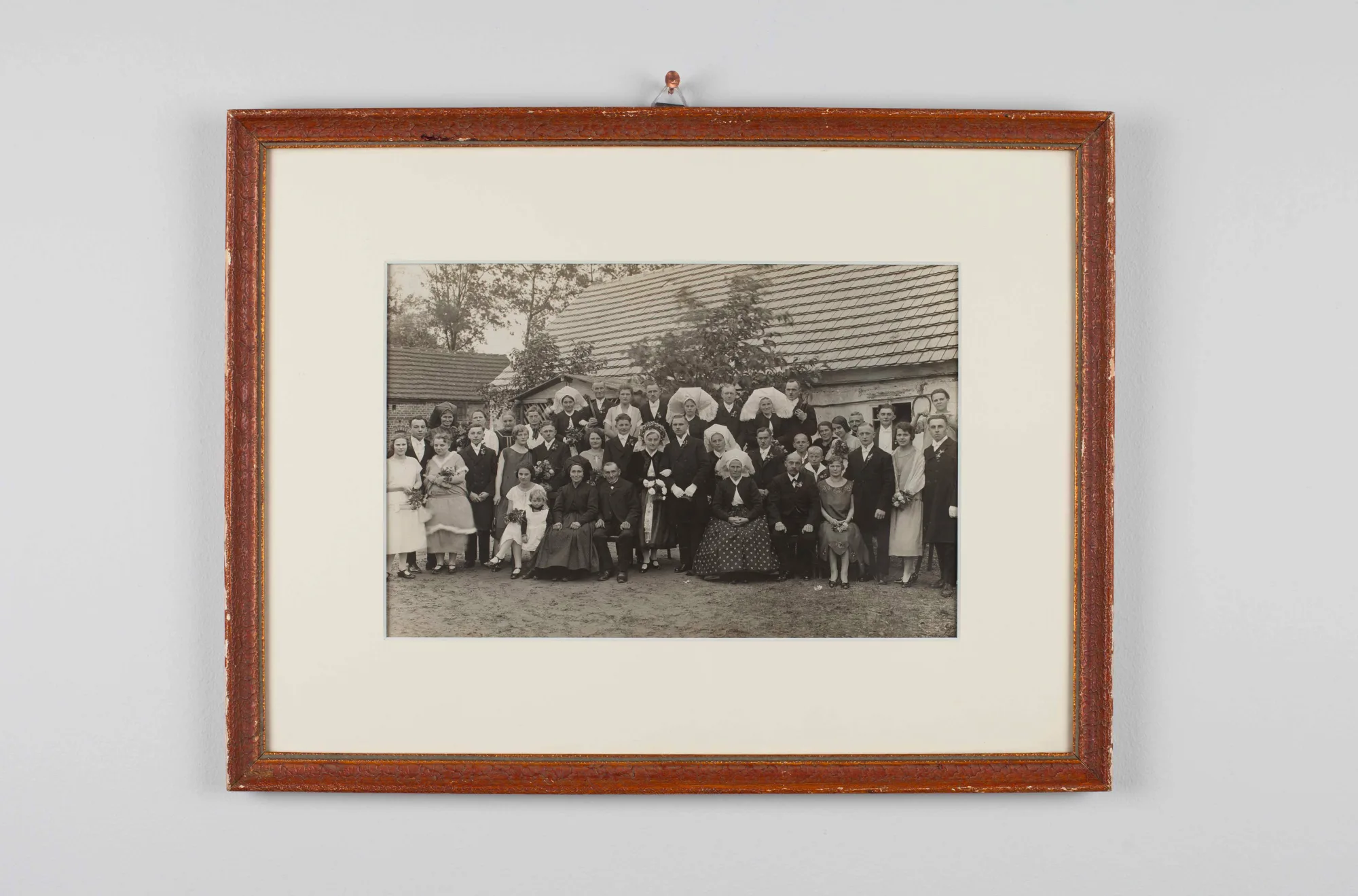
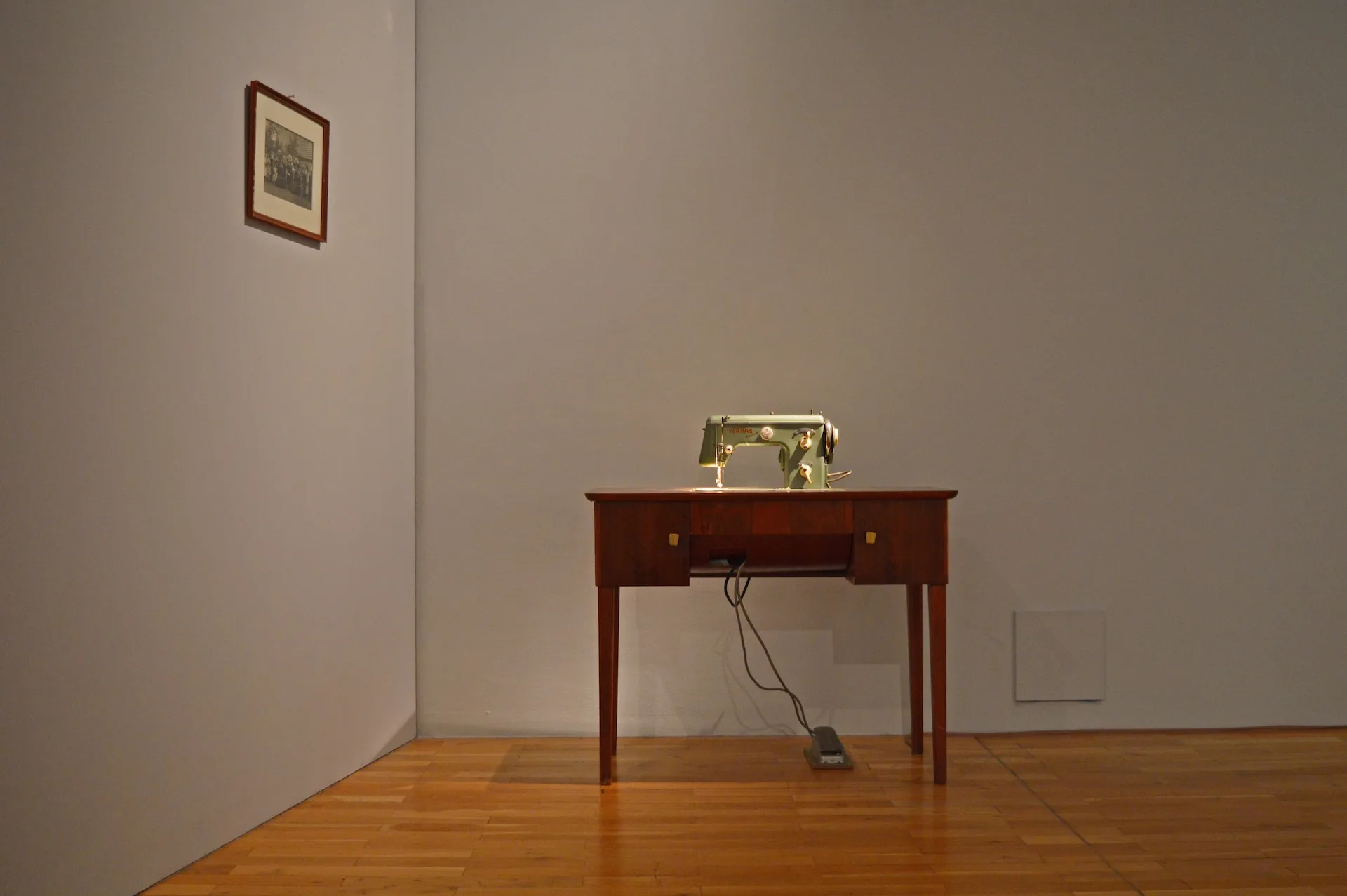
Anke Hannemann’s work VERITAS is a multi-layered installation consisting of a modified sewing machine from the former state-owned VEB Nähmaschinen Wittenberge combine and a framed wedding photograph placed above it. The historical photograph depicts the artist’s great-grandparents in Sorbian traditional dress and serves as the central point of reference for the work. The sewing machine has been technically modified. Using a gold-plated needle, it sews ceaselessly in reverse. Although it is in operation, no new product is created. Rather, it reveals a process that negates itself. This reverse motion becomes a powerful metaphor for the attempt to capture or reclaim the past without actually being able to restore it.
VERITAS focuses on the complex relationship between clothing and identity. Here, traditional dress appears not only as cultural heritage but also as a vessel of history, belonging, and memory. In the context of Lusatia, the work highlights the profound consequences of lignite mining. Entire regions were destroyed, around 130 villages disappeared, and numerous people—particularly members of the Sorbian minority—were forcibly resettled. These interventions were accompanied by a significant loss of cultural continuity. The reverse-stitching machine thus becomes a symbol of society’s longing for stability amid upheaval and loss. At the same time, it points to a void—a cultural gap created by destruction and displacement that cannot simply be closed. By linking personal family history with collective experience, Hannemann creates a space for reflection on memory, identity, and the fragility of cultural heritage.
further reading
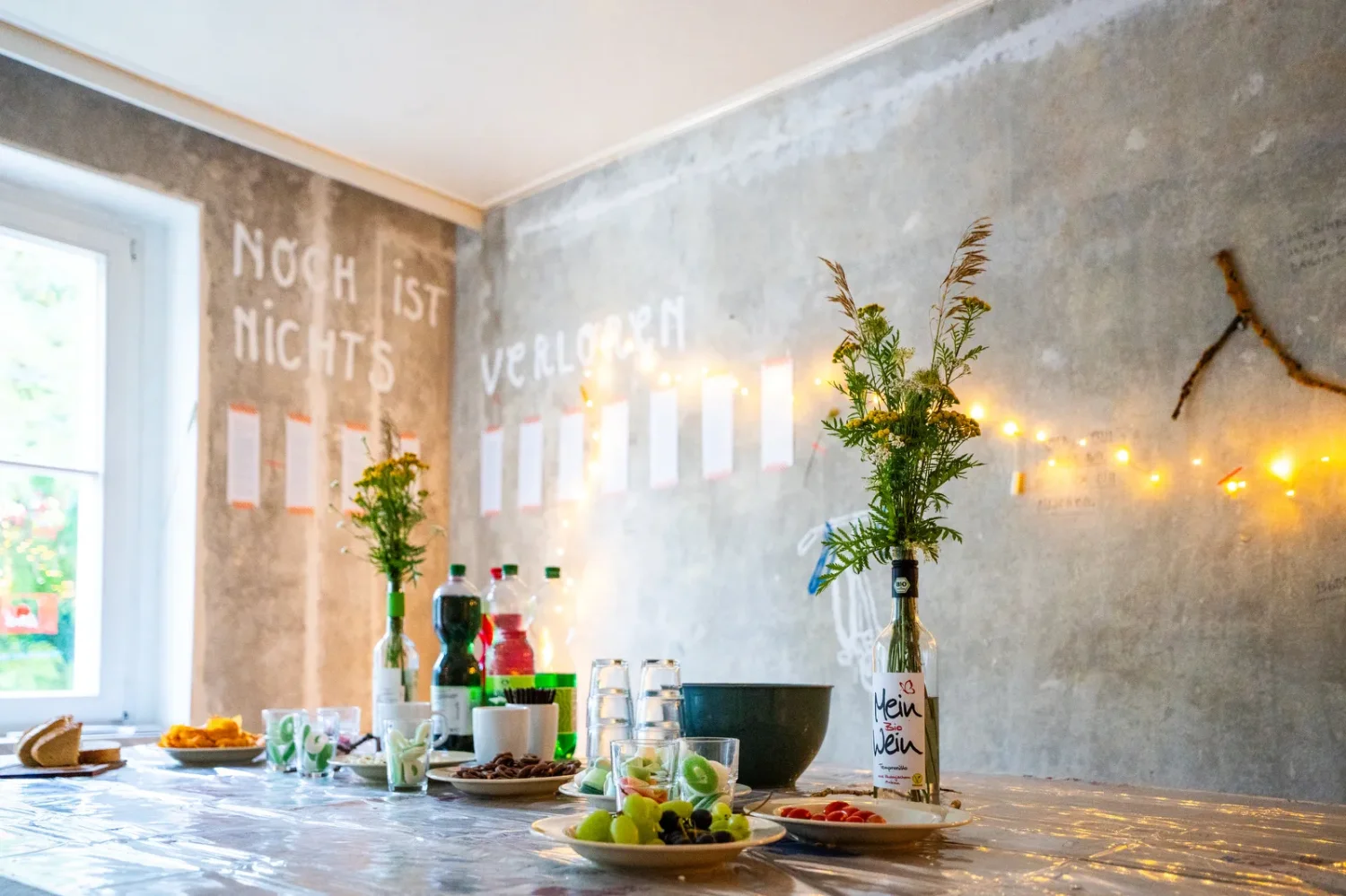
Exhibition
/ Biennale
Räume zwischen Vergangenheit und Gegenwart - Lauchhammer
08.08.—23.08.2026,
Heinrich-Zille-Str. 1 Lauchhammer / Wokrejs Górne Błota-Łužyca
Louisa Frauenheim Johannes Weilandt Claudia Pilsl Christian Hasucha Matrosenhunde Anke Hannemann Marie Kublik & Frida Teller Anja Nürnberg Bernhard Schipper
about the event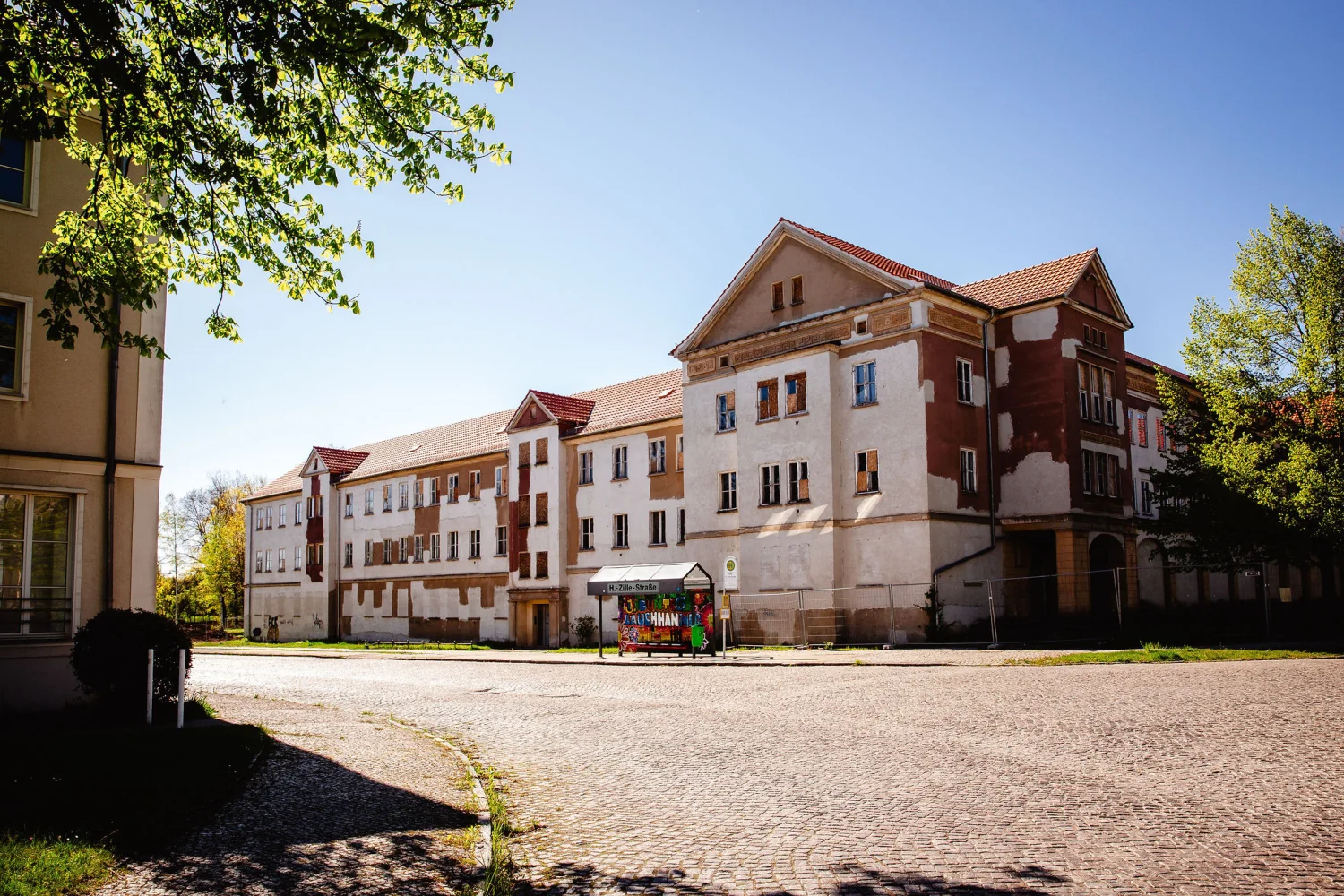
Vernissage
/ Biennale
Vernissage in der Heinrich-Zille-Str. 1
08.08.2026,
Heinrich-Zille-Str. 1 Lauchhammer / Wokrejs Górne Błota-Łužyca
Louisa Frauenheim Johannes Weilandt Claudia Pilsl Christian Hasucha Matrosenhunde Anke Hannemann Marie Kublik & Frida Teller Anja Nürnberg Bernhard Schipper
about the event