
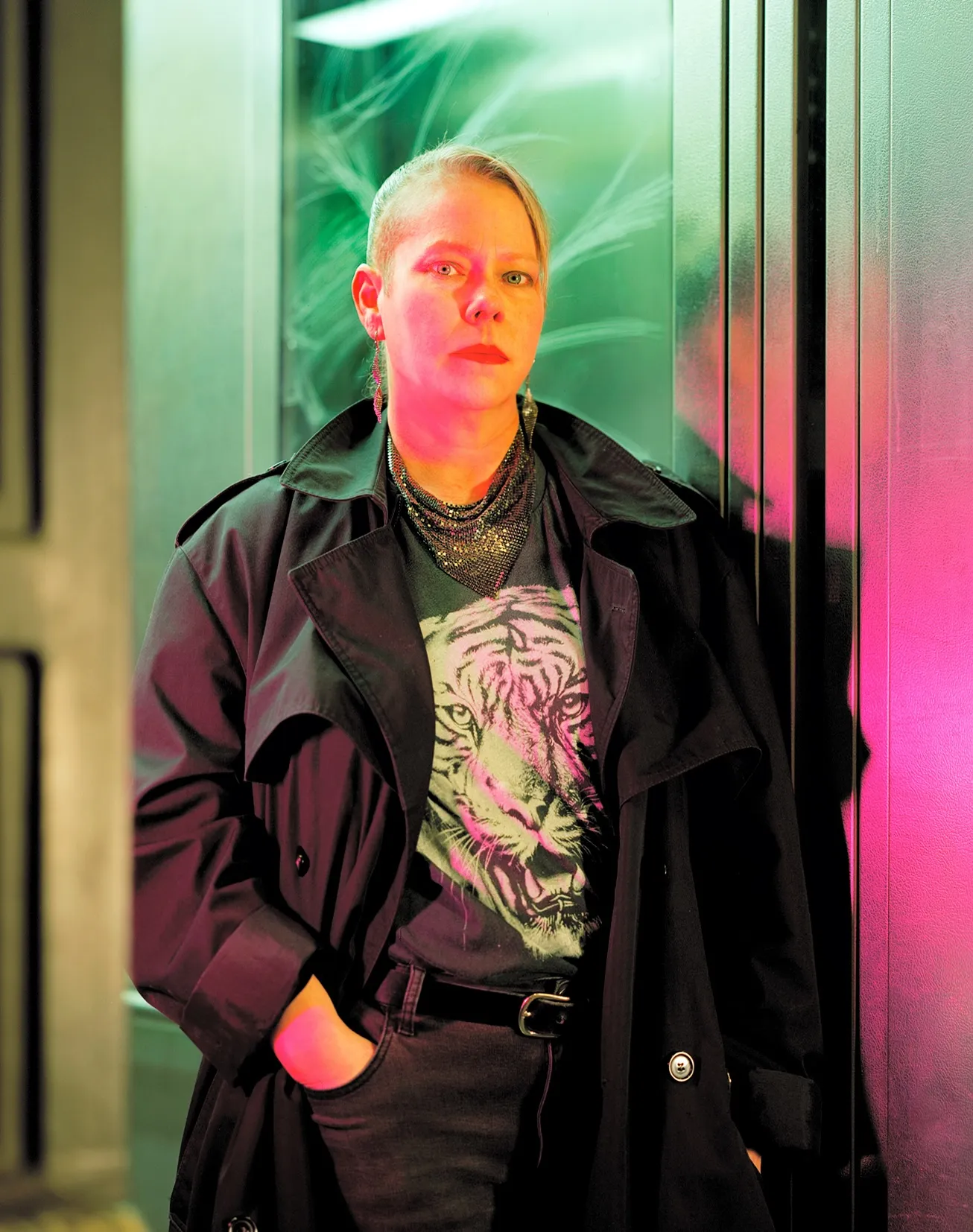
Tracey Snelling (*1970, Oakland, Kalifornien) ist eine bildende Künstlerin, deren Arbeit untersucht, wie Architektur die Art und Weise prägt, wie Menschen leben. Seit 2016 lebt und arbeitet sie in Berlin. In den Medien Skulptur, Installation, Video, Fotografie und Performance erforscht sie die gebaute Umwelt als Rahmen für soziales Leben, in dem sich persönliche Geschichten, kulturelle Gewohnheiten und Machtstrukturen entfalten.
In ihrer Arbeit sind Gebäude keine statischen Objekte, sondern Träger von Erfahrungen—Orte, an denen Intimität, Ungleichheit, Erinnerung und Begehren Gestalt annehmen.
Snelling ist vor allem für ihre architektonischen Skulpturen bekannt—präzise konstruierte Gebäude, die durch Video, Licht und Ton belebt werden und auf den ersten Blick ruhig erscheinen, zugleich jedoch von menschlicher Präsenz durchdrungen sind.
Snelling präsentierte umfangreiche Einzelausstellungen unter anderem im Haus am Lützowplatz in Berlin, im Museo di Arte Contemporanea Palazzo Forti in Verona, bei Tokyo Arts and Space, im Künstlerhaus Bethanien sowie im Rahmen der Venedig Biennale. Ihre Arbeiten wurden zudem auf internationalen Filmfestivals und in Screening-Programmen in Städten wie Berlin, Ann Arbor, Paris und Lissabon gezeigt. In Gruppenausstellungen war sie unter anderem in der Berlinischen Galerie, im Deutschen Hygiene-Museum Dresden, im MAXXI in Rom, im Aspen Art Museum sowie bei internationalen Biennalen in Buenos Aires und Havanna vertreten.
Title of the work: Tenement Rising
In many rapidly growing cities, large apartment complexes seem to appear almost overnight, reflecting both expansion and the constant reshaping of urban life. In Beijing, for example, long-standing hutong neighborhoods have been replaced by new developments, while large housing complexes on the outskirts of the city accommodate those who have been displaced or relocated in the process.
These environments often emerge under pressure, built quickly to meet urgent demand, resulting in living conditions that can be dense, provisional, and uneven in quality. At the same time, they become home to thousands of people navigating work, migration, and everyday life within these shifting urban landscapes.
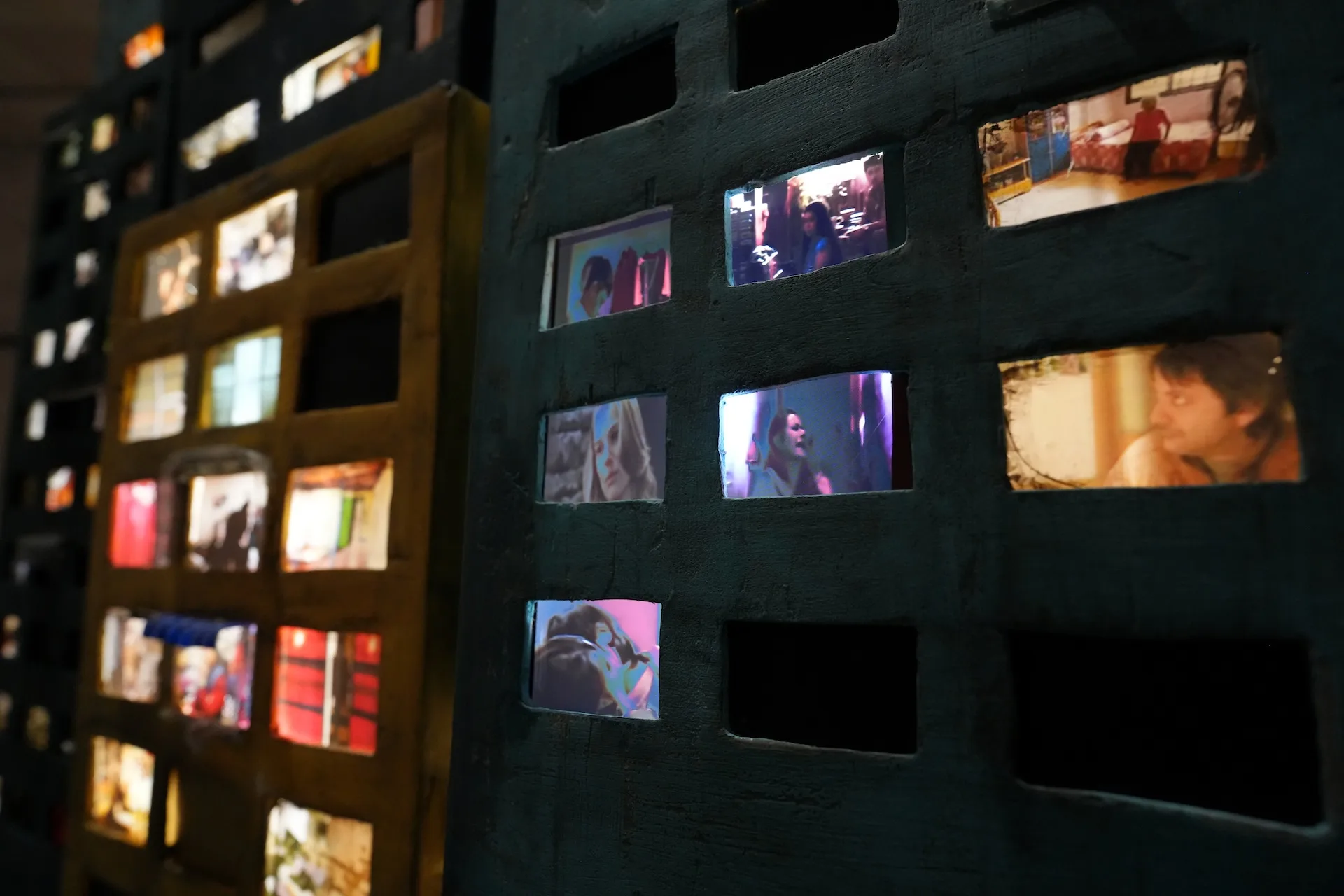
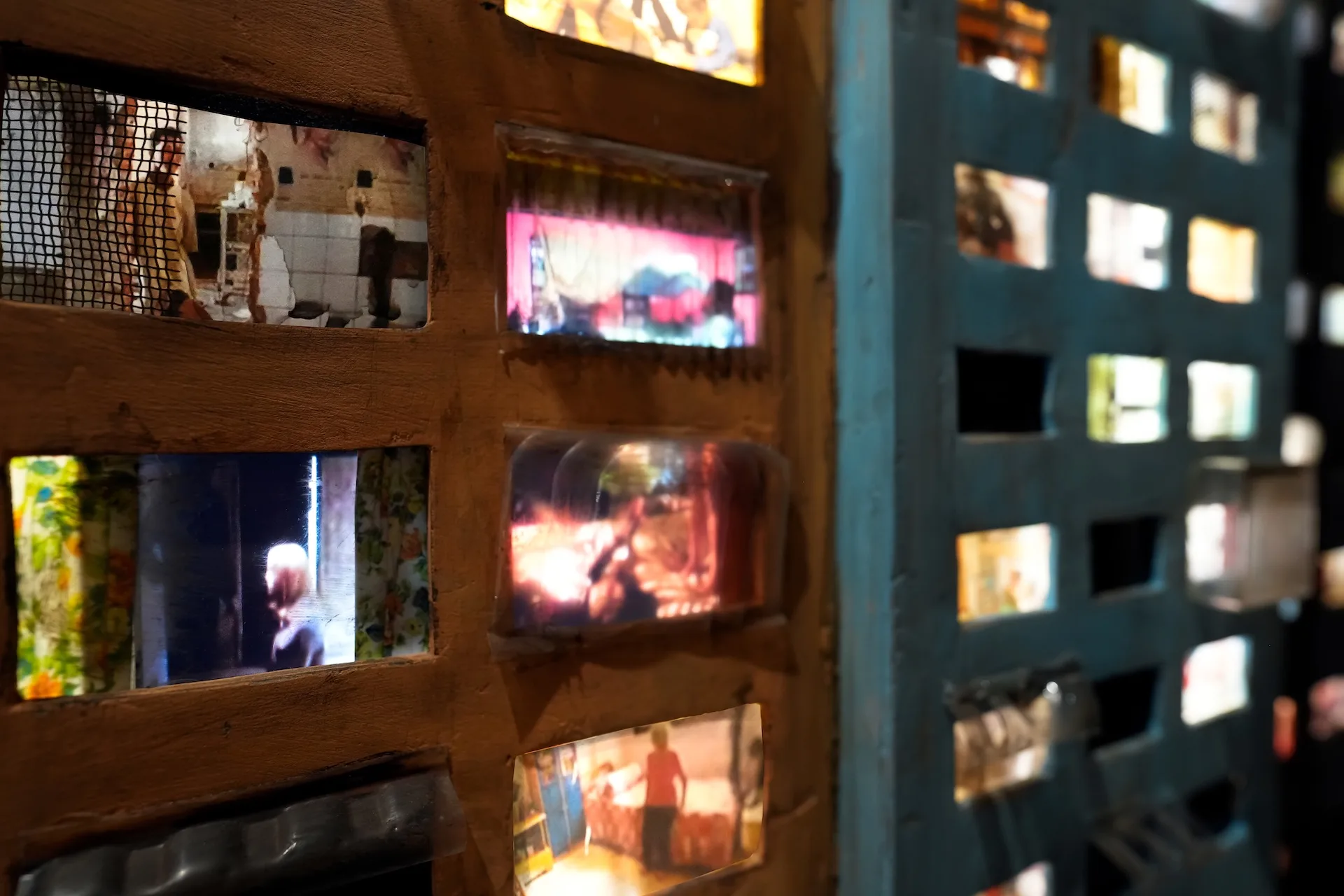
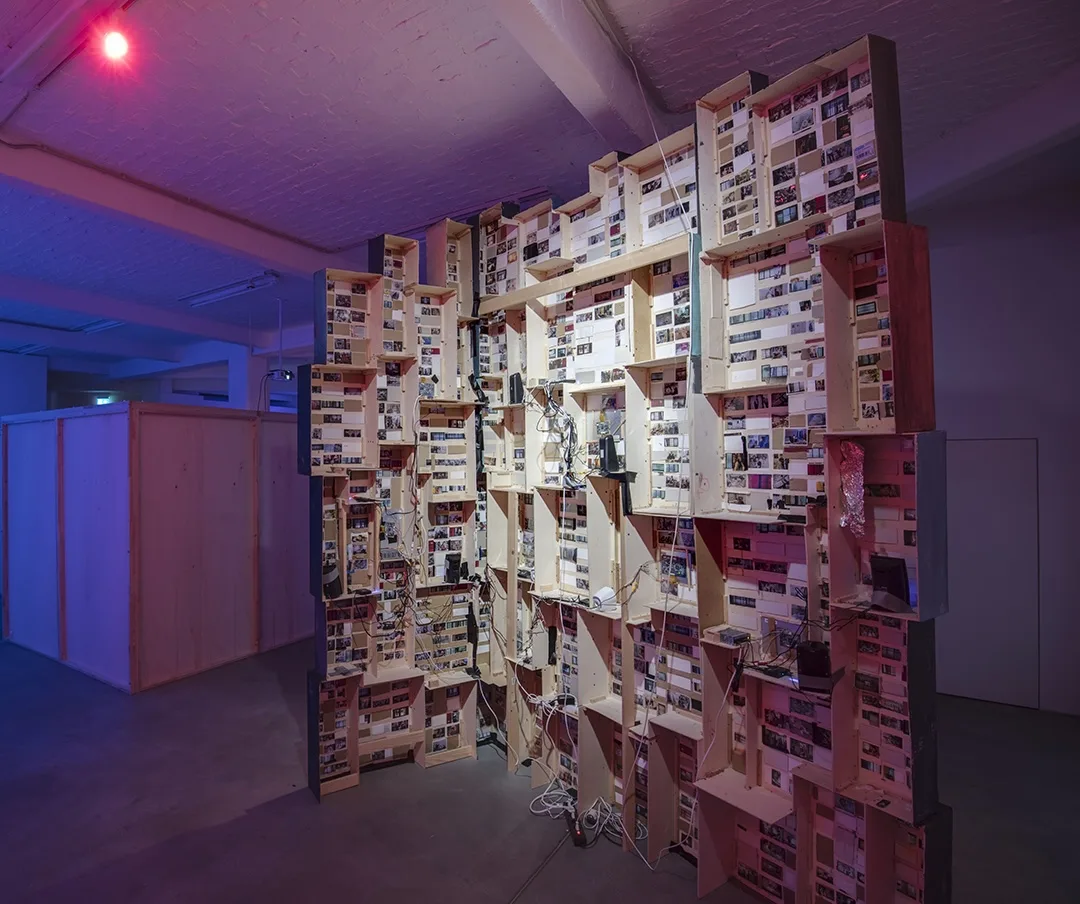
Tenement Rising is a 3.5-meter-tall, 3-meter-wide wall composed of small-scale apartment buildings pressed together into a single, towering structure. The clustered facades form an expansive surface of concrete, plaster, windows, and worn yet vivid exteriors. Through the curtained windows, small lights, images, and video fragments reveal glimpses of interior lives.
The accumulation of these structures speaks to the complexities of density, housing, and adaptation in cities around the world—highlighting not only the pressures of growth, but also the resilience and presence of the people who inhabit these spaces.
further reading
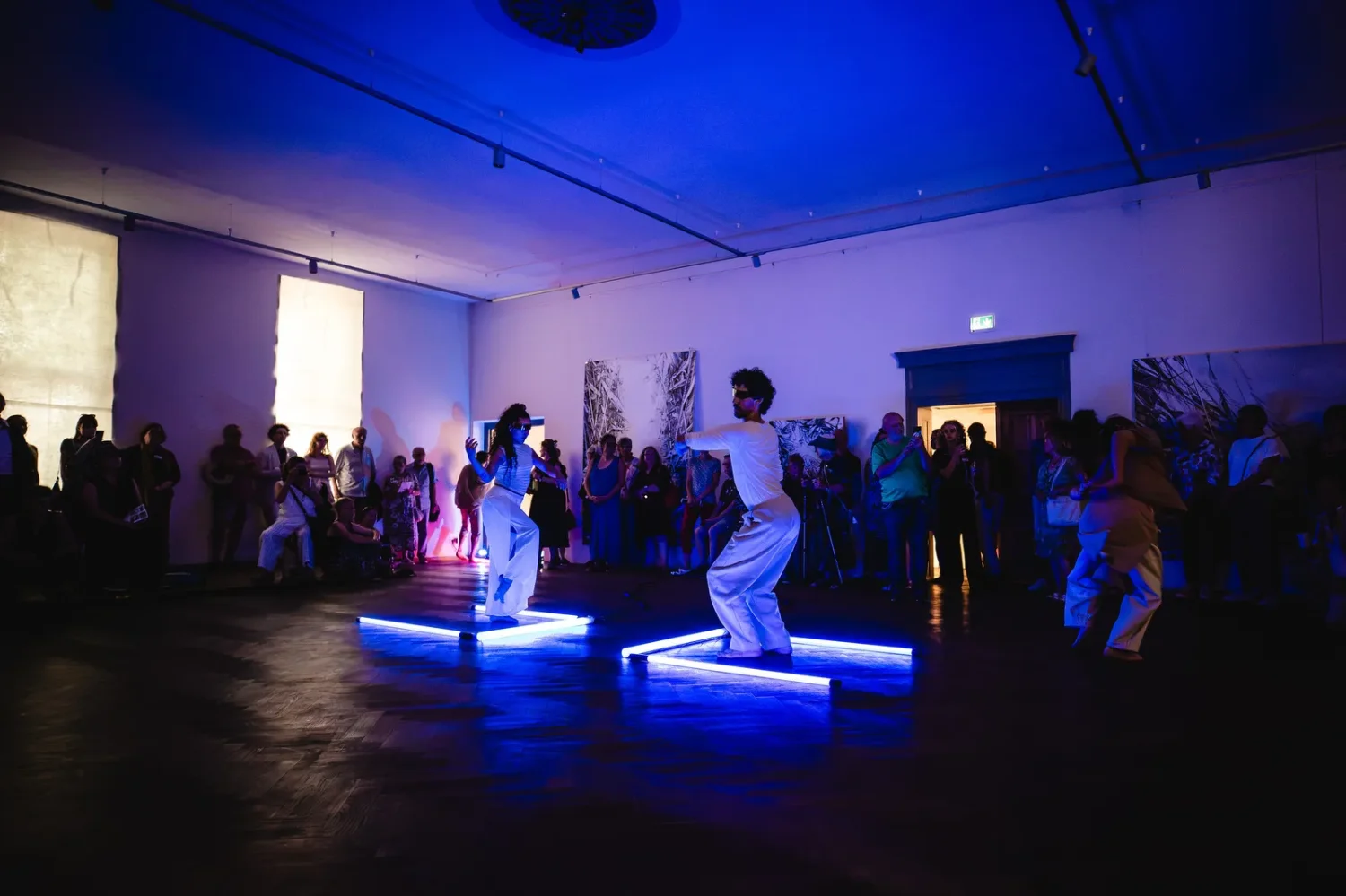
party
/ Biennale
Closing Party of the 1. openart Lausitz Biennale
19.09.2026,
Kunsthalle Lausitz / Chóśebuz
Anne Peschken / Marek Pisarsky (Urban Art) Annette Hecht-Bauer Caroline Böttcher Casey McKee Endstation Jam Jess Zamora-Turner Katharina Arndt Lioba von den Driesch Siggiko Valentina Troendle Felix Matschke Tracey Snelling Martin Böttger Miriam Lenk
about the event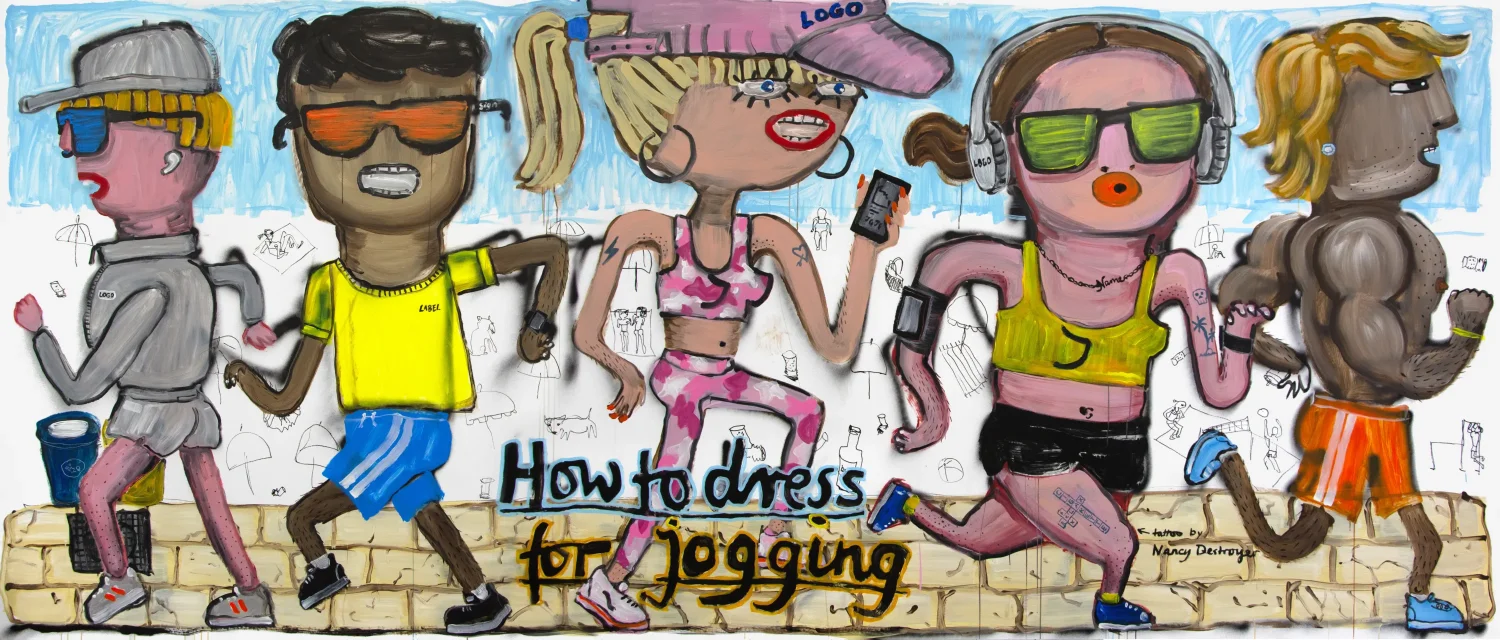
Finissage
/ Biennale
Finissage "Urbane Wandlungen. Kunst zwischen Bewegung, Erinnerung und Transformation"
20.09.2026,
Kunsthalle Lausitz / Chóśebuz
Anne Peschken / Marek Pisarsky (Urban Art) Annette Hecht-Bauer Caroline Böttcher Casey McKee Endstation Jam Katharina Arndt Lioba von den Driesch Siggiko Valentina Troendle Felix Matschke Tracey Snelling Martin Böttger Miriam Lenk
about the event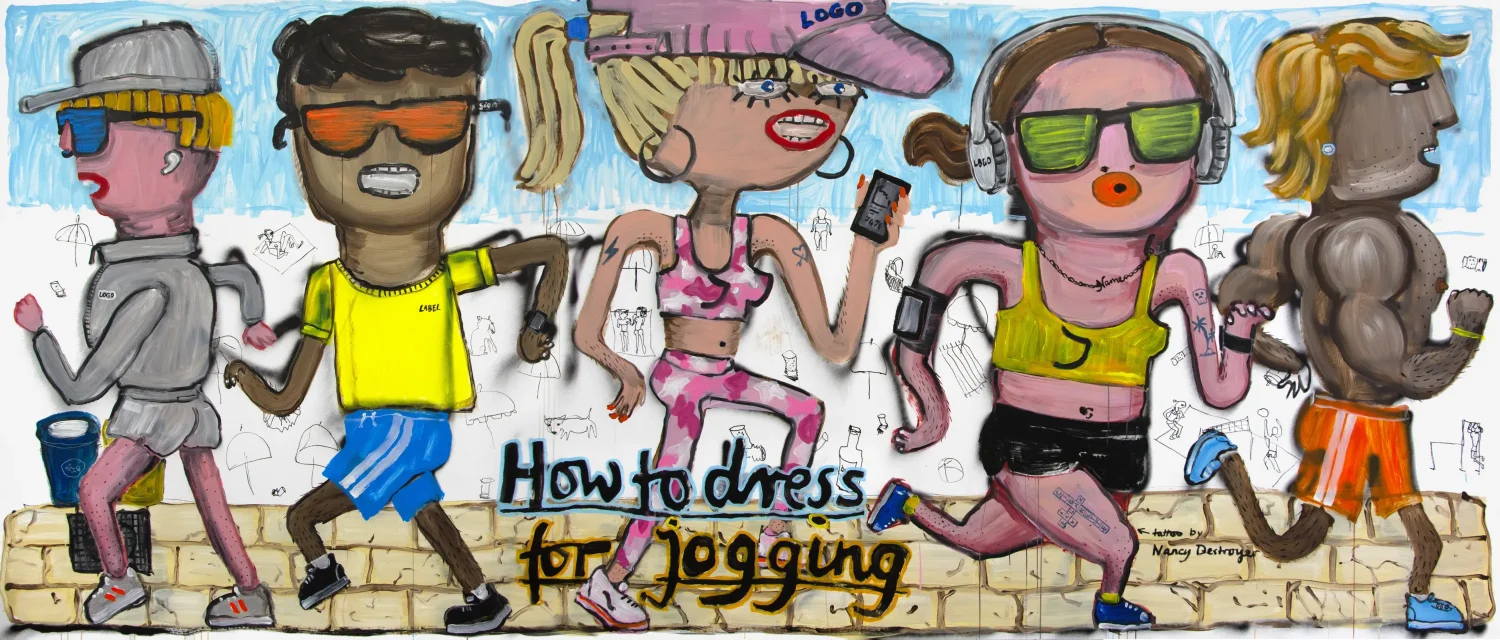
Guided tour
/ Biennale
Guided tour "Urbane Wandlungen. Kunst zwischen Bewegung, Erinnerung und Transformation"
12.09.2026,
Kunsthalle Lausitz / Chóśebuz
Anne Peschken / Marek Pisarsky (Urban Art) Annette Hecht-Bauer Caroline Böttcher Casey McKee Endstation Jam Katharina Arndt Lioba von den Driesch Siggiko Valentina Troendle Felix Matschke Tracey Snelling Martin Böttger Miriam Lenk
about the event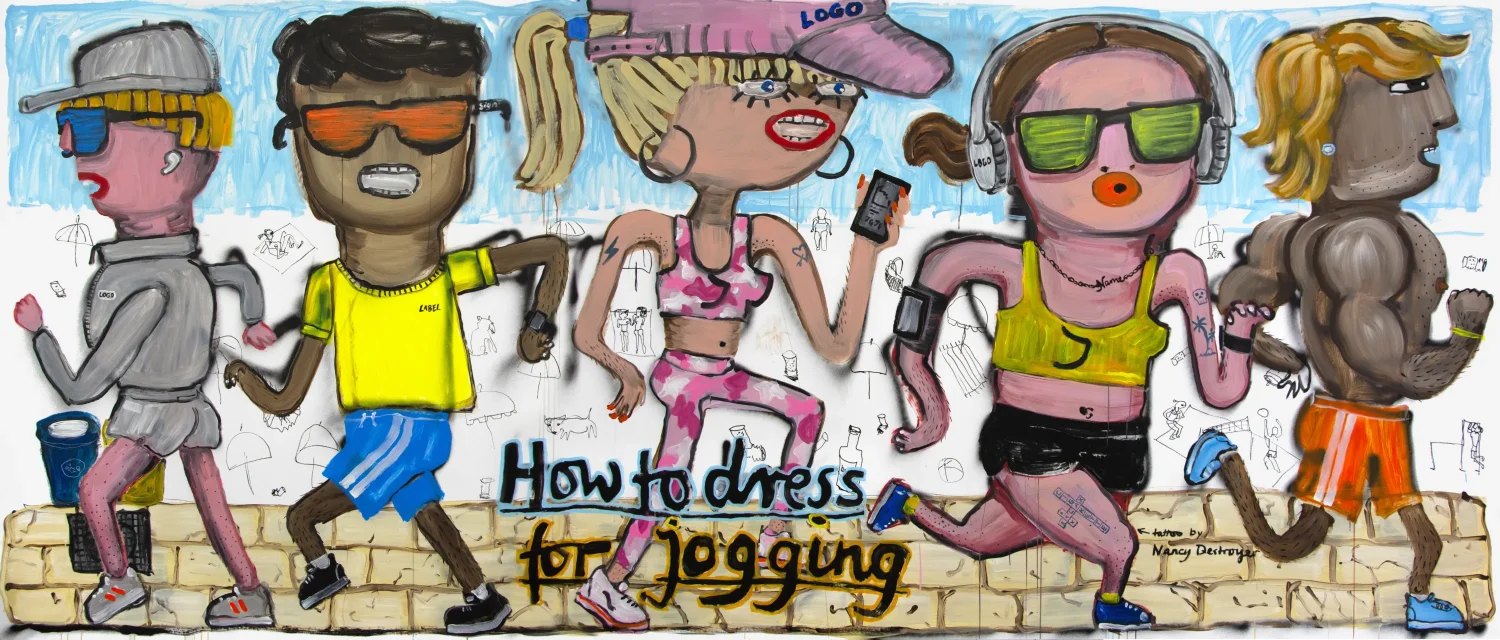
Guided tour
/ Biennale
Guided tour "Urbane Wandlungen. Kunst zwischen Bewegung, Erinnerung und Transformation"
13.09.2026,
Kunsthalle Lausitz / Chóśebuz
Anne Peschken / Marek Pisarsky (Urban Art) Annette Hecht-Bauer Caroline Böttcher Casey McKee Endstation Jam Katharina Arndt Lioba von den Driesch Siggiko Valentina Troendle Felix Matschke Tracey Snelling Martin Böttger Miriam Lenk
about the event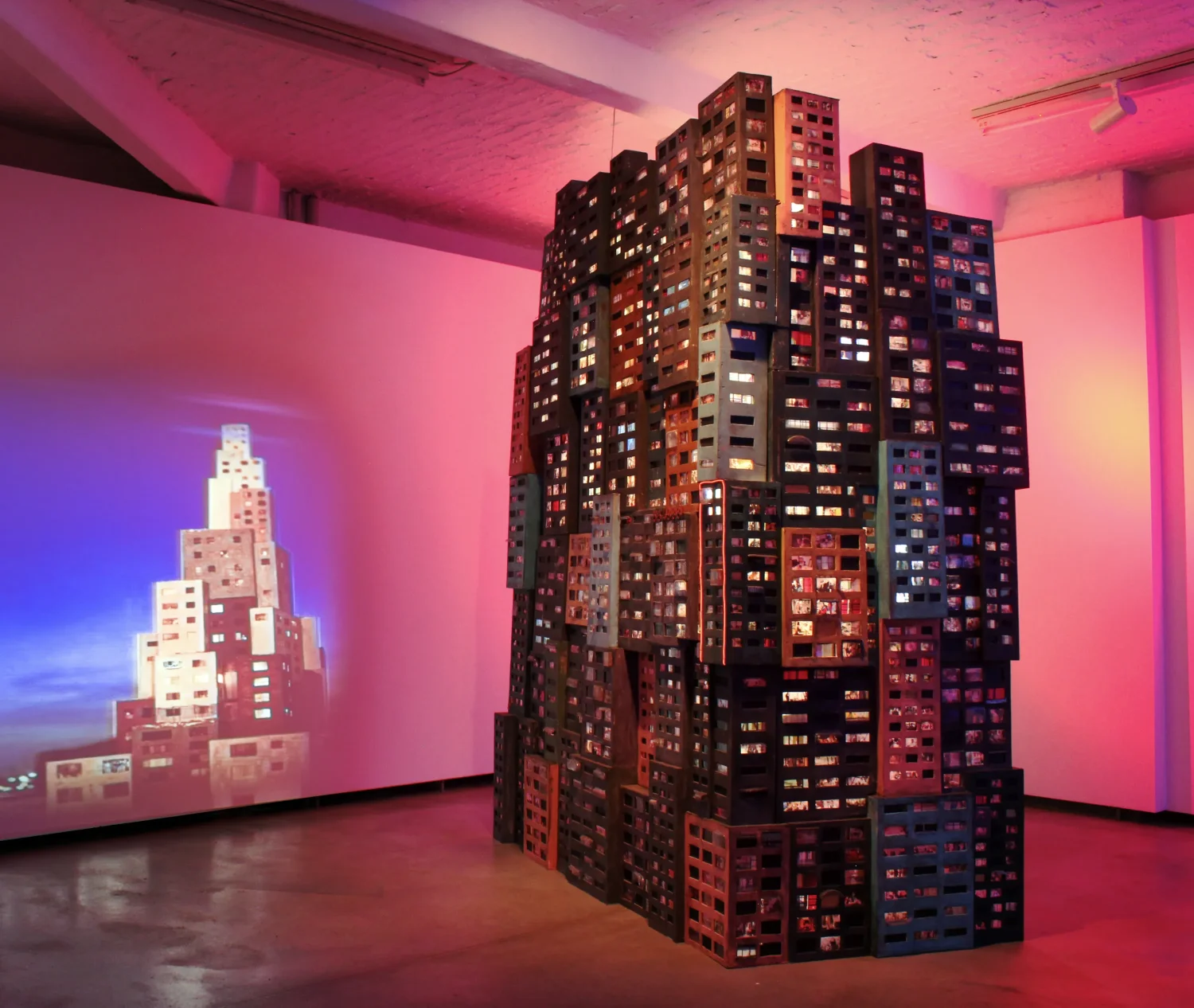
Exhibition
/ Biennale
Urbane Wandlungen. Kunst zwischen Bewegung, Erinnerung und Transformation
05.09.—20.09.2026,
Kunsthalle Lausitz / Chóśebuz
Anne Peschken / Marek Pisarsky (Urban Art) Annette Hecht-Bauer Caroline Böttcher Casey McKee Katharina Arndt Lioba von den Driesch Miriam Lenk Siggiko Valentina Troendle Tracey Snelling Felix Matschke Endstation Jam Martin Böttger
about the event
Vernissage
/ Biennale
Vernissage "Urbane Wandlungen. Kunst zwischen Bewegung, Erinnerung und Transformation"
05.09.2026,
Kunsthalle Lausitz / Chóśebuz
Anne Peschken / Marek Pisarsky (Urban Art) Annette Hecht-Bauer Caroline Böttcher Casey McKee Endstation Jam Katharina Arndt Lioba von den Driesch Siggiko Valentina Troendle Felix Matschke Tracey Snelling Martin Böttger Miriam Lenk
about the event