
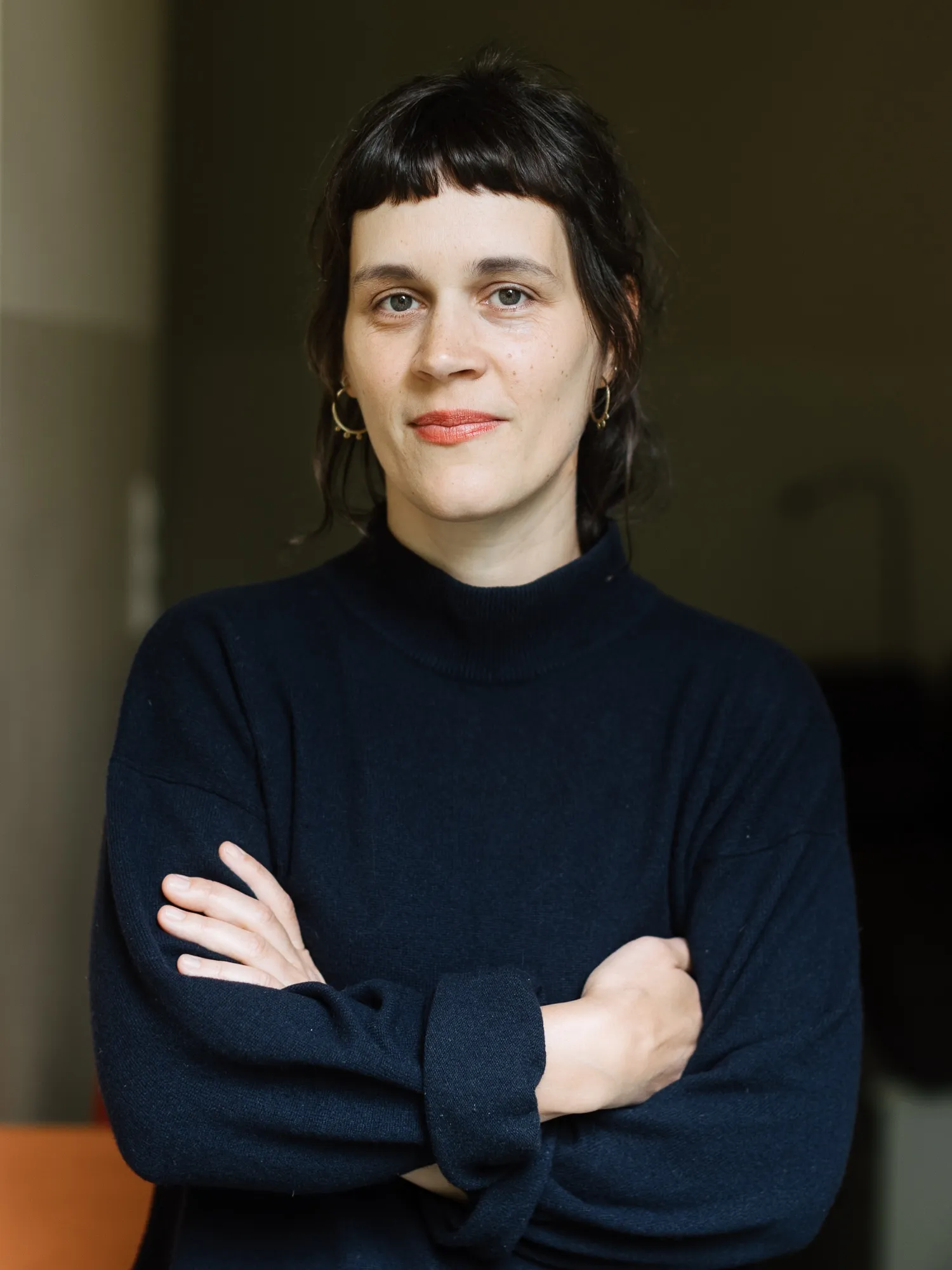
Caroline Böttcher (b. 1985) lives in Berlin; she is an artist and author who works at the intersection of photography, site-specific sound art, and research on the culture of memory. She studied photography at the Academy of Visual Arts in Leipzig and subsequently completed the postgraduate master’s program “Art in Context” at the Berlin University of the Arts.
Her study visits have taken her to, among other places, the Academy of Fine Arts in Poznań (Poland), as well as the Ostkreuz School of Photography and Ute Mahler’s class at HAW Hamburg. Since 2017, she has been a member of Soundmarker, a laboratory for site-specific audio works.
Böttcher’s works have been featured in exhibitions, publications, and site-specific audio formats at venues including the Prater Galerie, the Tempelhof Museum, the Kreuzberg Pavilion, and in public spaces throughout Berlin—including the Gardens of the World and Treptower Park. She has also realized projects at Haus Döschnitz in Thuringia, in Rothenklempenow in Mecklenburg-Western Pomerania, and as part of productions for Deutschlandfunk Kultur. Her work has been supported by numerous fellowships and grants, including funding from the Berlin Senate Department for Culture and Europe, NEUSTART KULTUR from the BBK, the Draußenstadt project funding, as well as research fellowships and residencies, including one at the IBA Thuringia.
Work Title: Frottier. Wenn der rote Faden sich teilt.
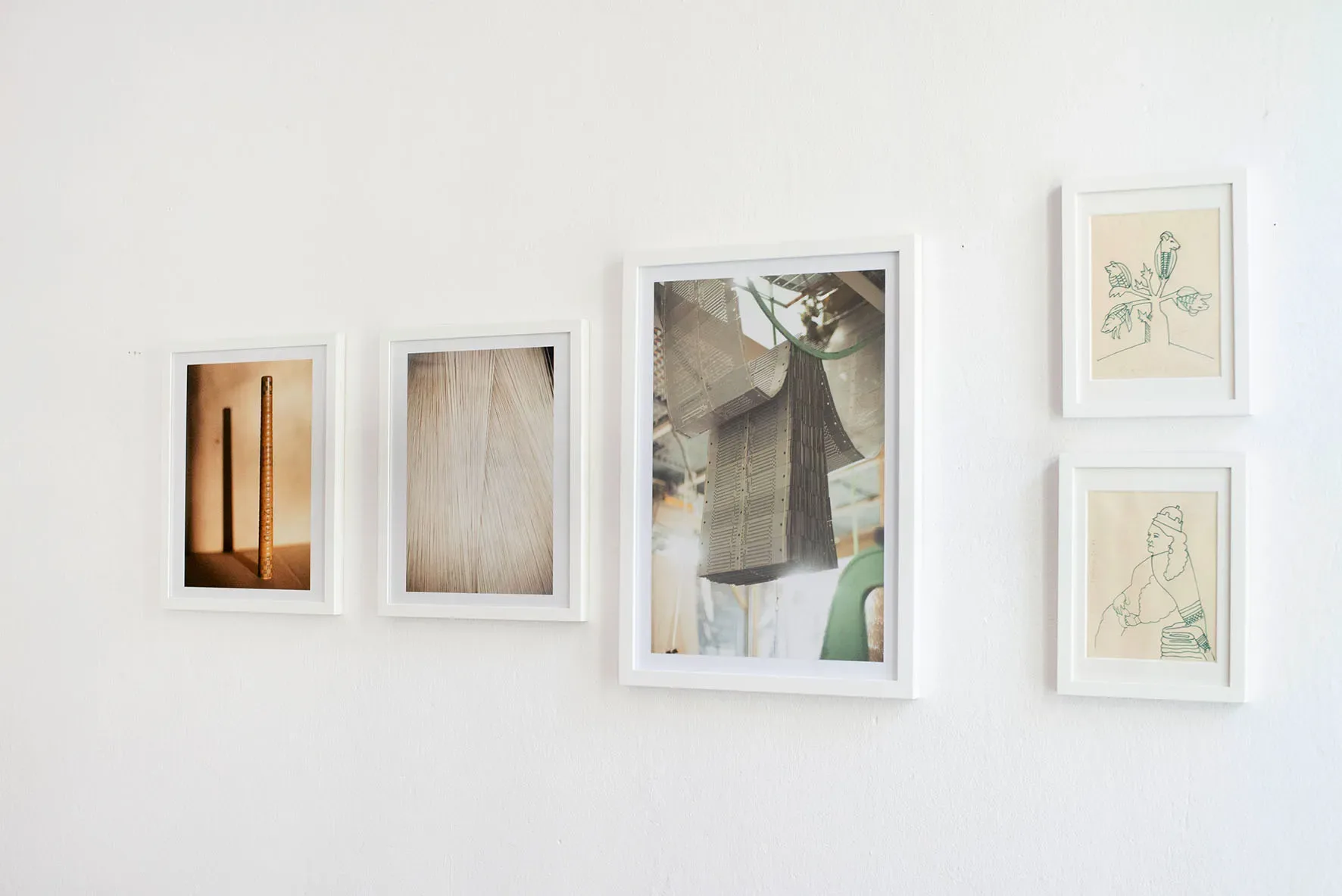
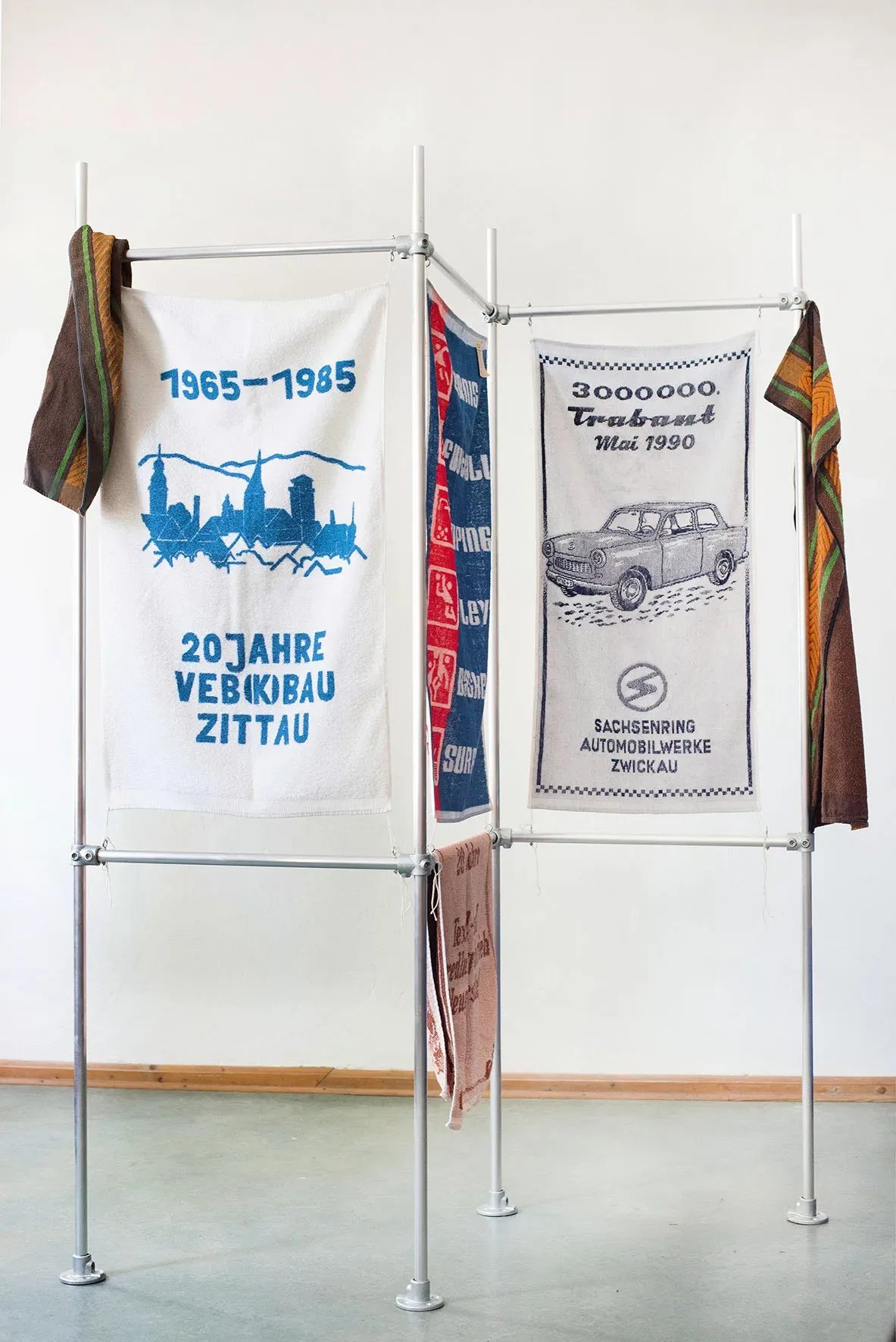
Böttcher’s work explores the ambivalence between beauty, sensuality and industrial production, focusing in particular on the role of women in the textile industry and on structural change in East Germany.
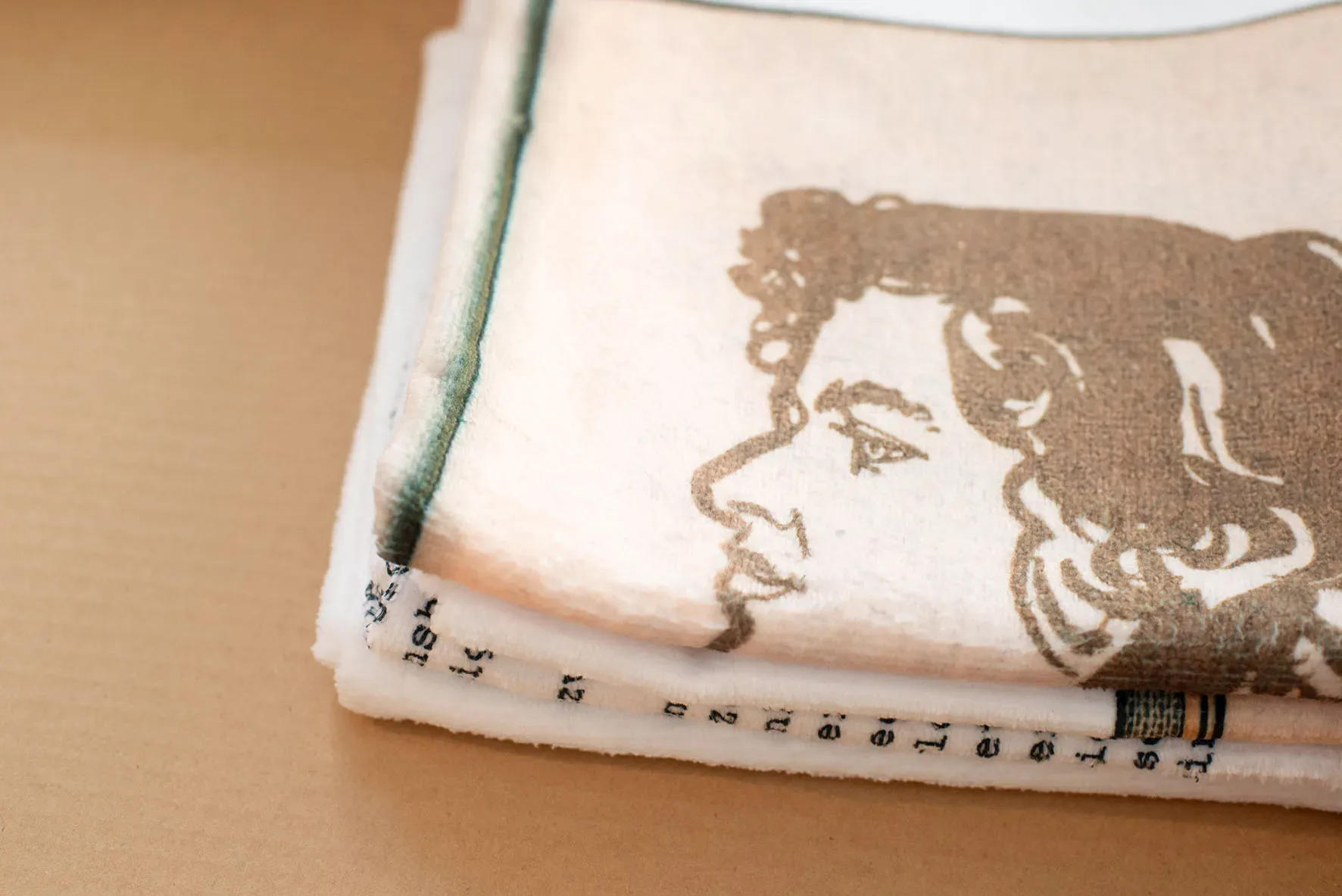
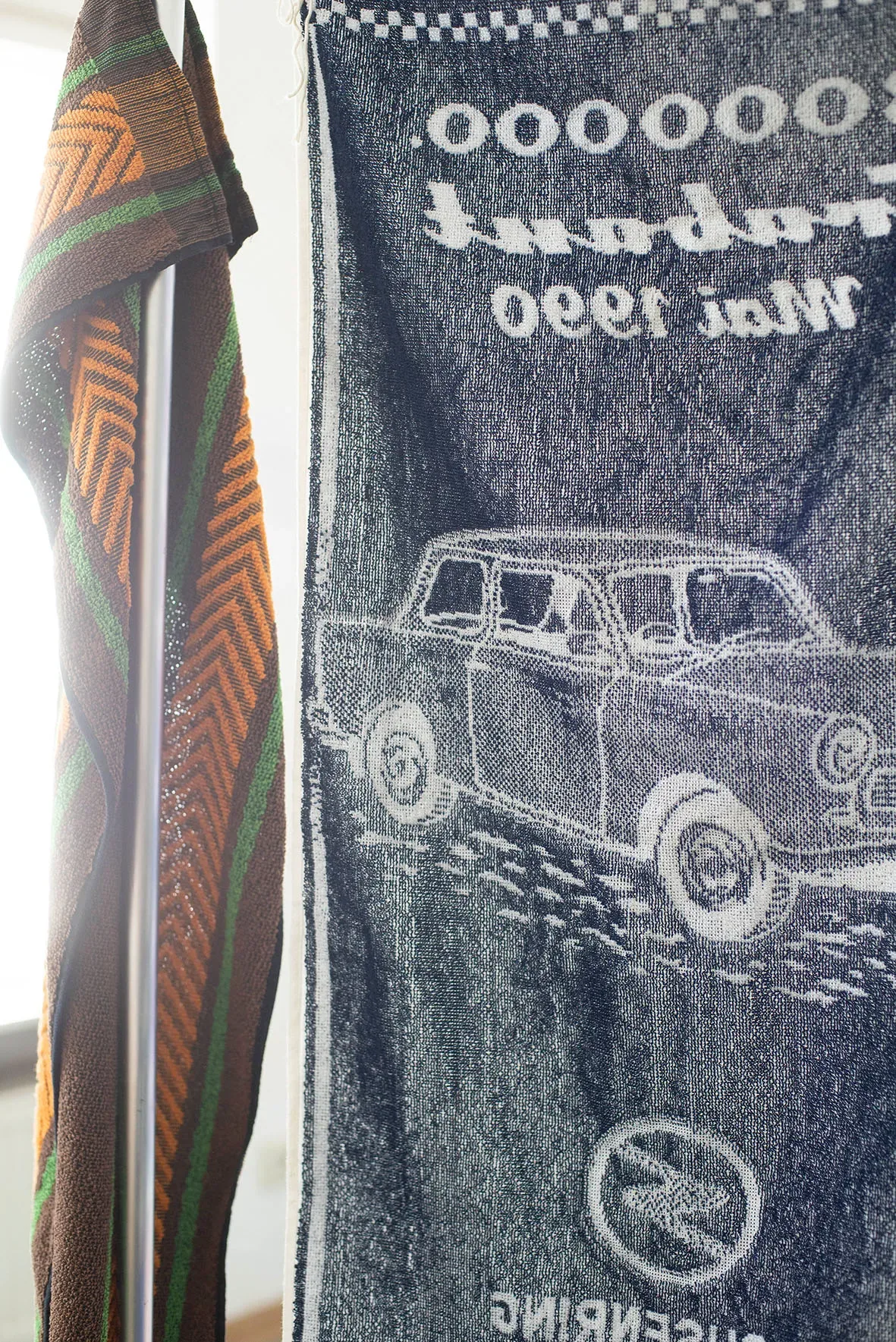
In 1856, the manufacturer Carl Heinrich Schiffner installed the first terry cloth loom in Germany in Großschönau. Consequently, one of the region’s most significant terry cloth industries developed here. Frottier. Wenn der rote Faden sich teilt. (German for ‘Terry Cloth: When the Red Thread Splits’) explores the history of terry cloth weaving in Großschönau – from its rise in the 19th century, through the GDR era, to its dramatic decline after 1990. The installation combines textiles, images and voices to create a densely interwoven space of memory. At its heart are towels as historical artefacts: These seemingly mundane objects point to global trade routes and the realities of labour, linking everyday practices with political and economic systems. Their soft surfaces bear traces of production, use and ideology. The softness of the material is deceptive: it stands simultaneously for standardised labour and the promise of comfort and normality. Today, these textiles remain as silent bearers of a complex past.
further reading
party
/ Biennale
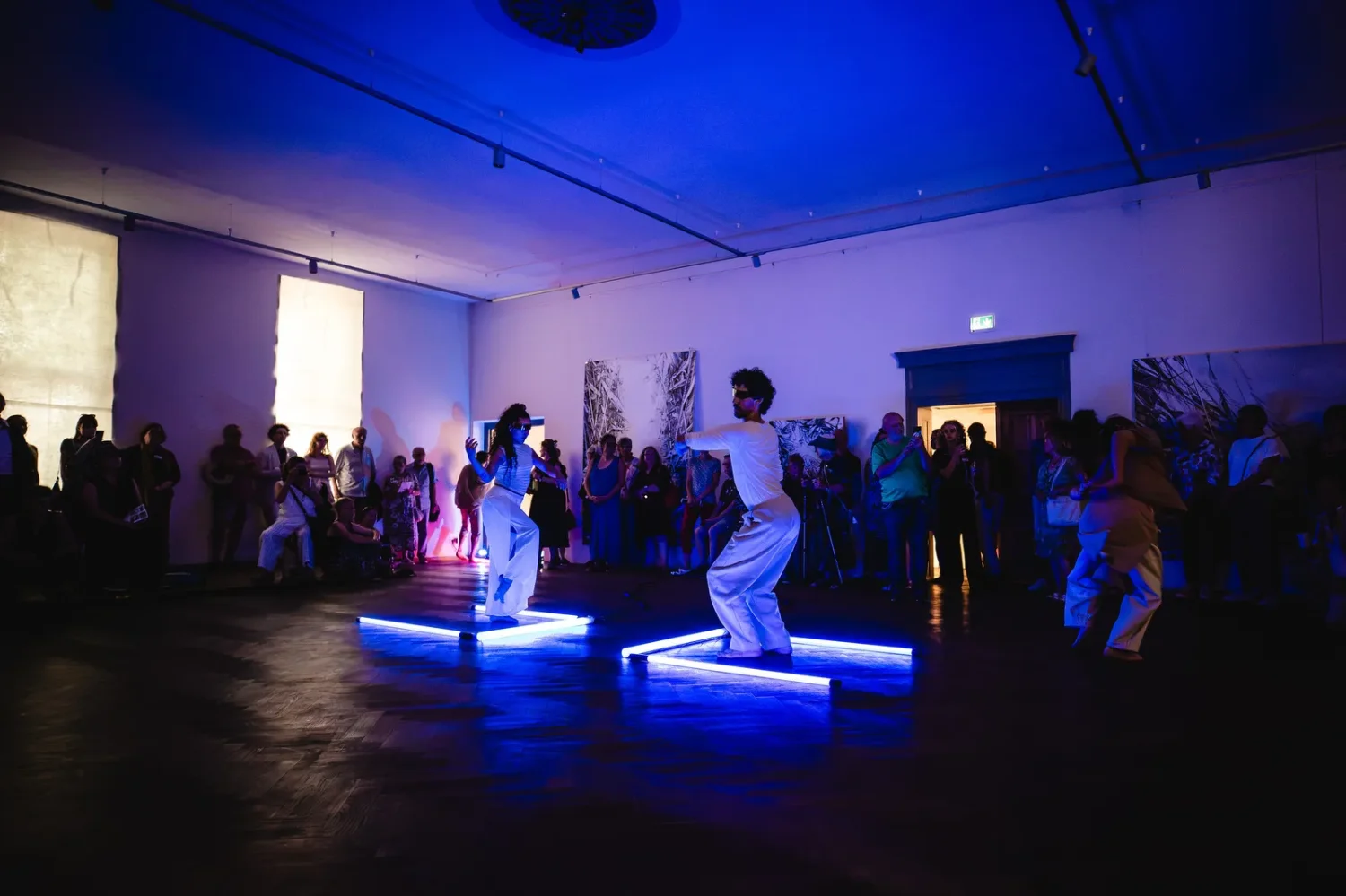
Closing Party of the 1. openart Lausitz Biennale
19.09.2026,
Kunsthalle Lausitz / Chóśebuz
Anne Peschken / Marek Pisarsky (Urban Art) Annette Hecht-Bauer Caroline Böttcher Casey McKee Endstation Jam Jess Zamora-Turner Katharina Arndt Lioba von den Driesch Siggiko Valentina Troendle Felix Matschke Tracey Snelling Martin Böttger Miriam Lenk
about the event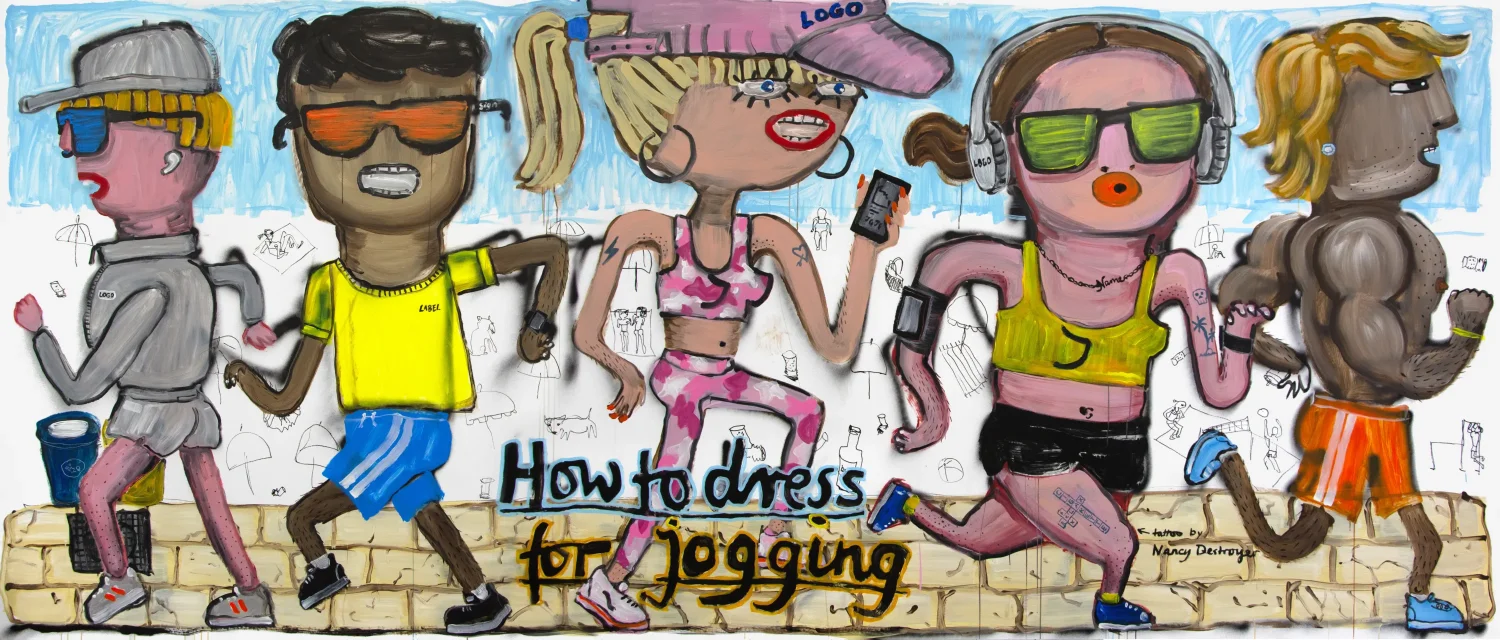
Finissage
/ Biennale
Finissage "Urbane Wandlungen. Kunst zwischen Bewegung, Erinnerung und Transformation"
20.09.2026,
Kunsthalle Lausitz / Chóśebuz
Anne Peschken / Marek Pisarsky (Urban Art) Annette Hecht-Bauer Caroline Böttcher Casey McKee Endstation Jam Katharina Arndt Lioba von den Driesch Siggiko Valentina Troendle Felix Matschke Tracey Snelling Martin Böttger Miriam Lenk
about the event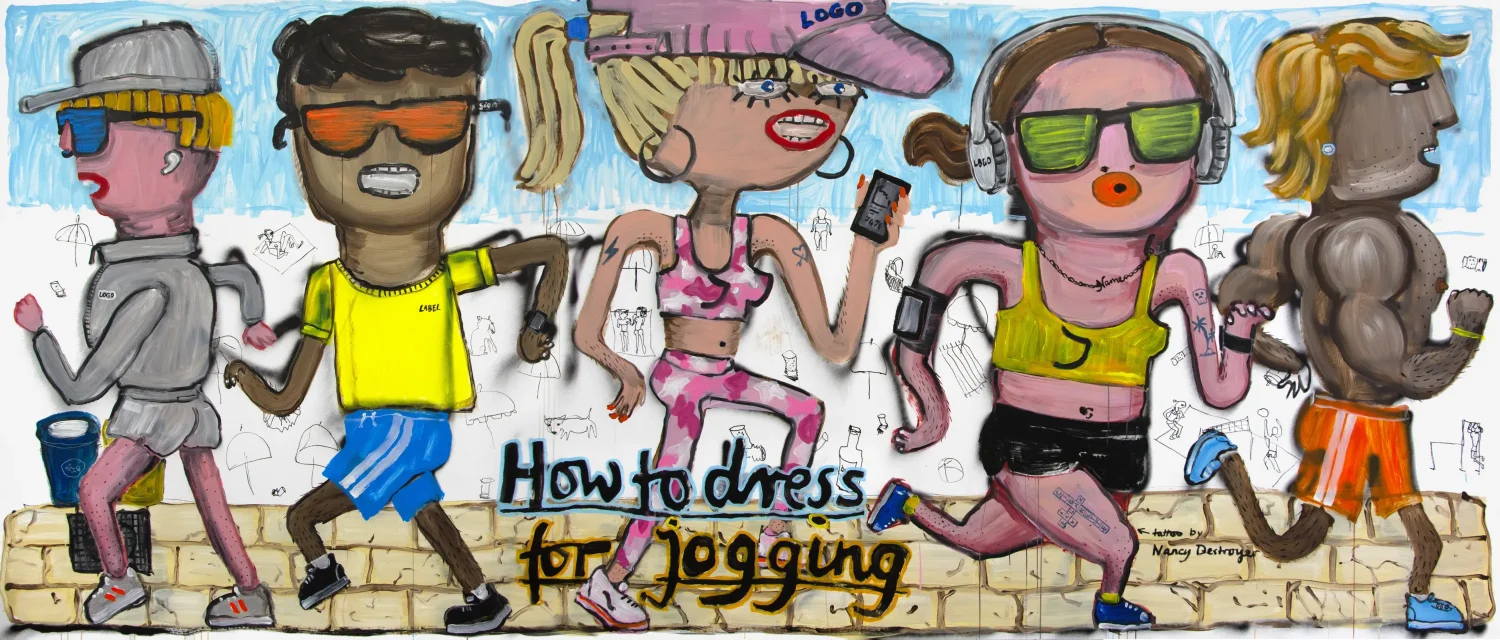
Guided tour
/ Biennale
Guided tour "Urbane Wandlungen. Kunst zwischen Bewegung, Erinnerung und Transformation"
12.09.2026,
Kunsthalle Lausitz / Chóśebuz
Anne Peschken / Marek Pisarsky (Urban Art) Annette Hecht-Bauer Caroline Böttcher Casey McKee Endstation Jam Katharina Arndt Lioba von den Driesch Siggiko Valentina Troendle Felix Matschke Tracey Snelling Martin Böttger Miriam Lenk
about the event
Guided tour
/ Biennale
Guided tour "Urbane Wandlungen. Kunst zwischen Bewegung, Erinnerung und Transformation"
13.09.2026,
Kunsthalle Lausitz / Chóśebuz
Anne Peschken / Marek Pisarsky (Urban Art) Annette Hecht-Bauer Caroline Böttcher Casey McKee Endstation Jam Katharina Arndt Lioba von den Driesch Siggiko Valentina Troendle Felix Matschke Tracey Snelling Martin Böttger Miriam Lenk
about the event
Exhibition
/ Biennale
Urbane Wandlungen. Kunst zwischen Bewegung, Erinnerung und Transformation
05.09.—20.09.2026,
Kunsthalle Lausitz / Chóśebuz
Anne Peschken / Marek Pisarsky (Urban Art) Annette Hecht-Bauer Caroline Böttcher Casey McKee Katharina Arndt Lioba von den Driesch Miriam Lenk Siggiko Valentina Troendle Tracey Snelling Felix Matschke Endstation Jam Martin Böttger
about the event
Vernissage
/ Biennale
Vernissage "Urbane Wandlungen. Kunst zwischen Bewegung, Erinnerung und Transformation"
05.09.2026,
Kunsthalle Lausitz / Chóśebuz
Anne Peschken / Marek Pisarsky (Urban Art) Annette Hecht-Bauer Caroline Böttcher Casey McKee Endstation Jam Katharina Arndt Lioba von den Driesch Siggiko Valentina Troendle Felix Matschke Tracey Snelling Martin Böttger Miriam Lenk
about the event